Google+
    • Portraits
    • MUSIC
    • Editorial
    • Multiple Exposure Portraits
    • Projector Portraits
    • Dance
    • Commercial
    • Video
  • About
    • Patreon Channel
    • Workshops
    • Lens Filters
    • Remote Photo Shoots
    • Tutorials / Presets
    • Books
    • Prints
  • Blog
  • Contact
Menu

Nick Fancher

Editorial, Music, and Commercial Photographer
  • Portfolio
    • Portraits
    • MUSIC
    • Editorial
    • Multiple Exposure Portraits
    • Projector Portraits
    • Dance
    • Commercial
    • Video
  • About
  • Shop
    • Patreon Channel
    • Workshops
    • Lens Filters
    • Remote Photo Shoots
    • Tutorials / Presets
    • Books
    • Prints
  • Blog
  • Contact

We Are More Than the Sum of Our Parts: A Photographic Pushback Against Artificial Intelligence

March 16, 2024


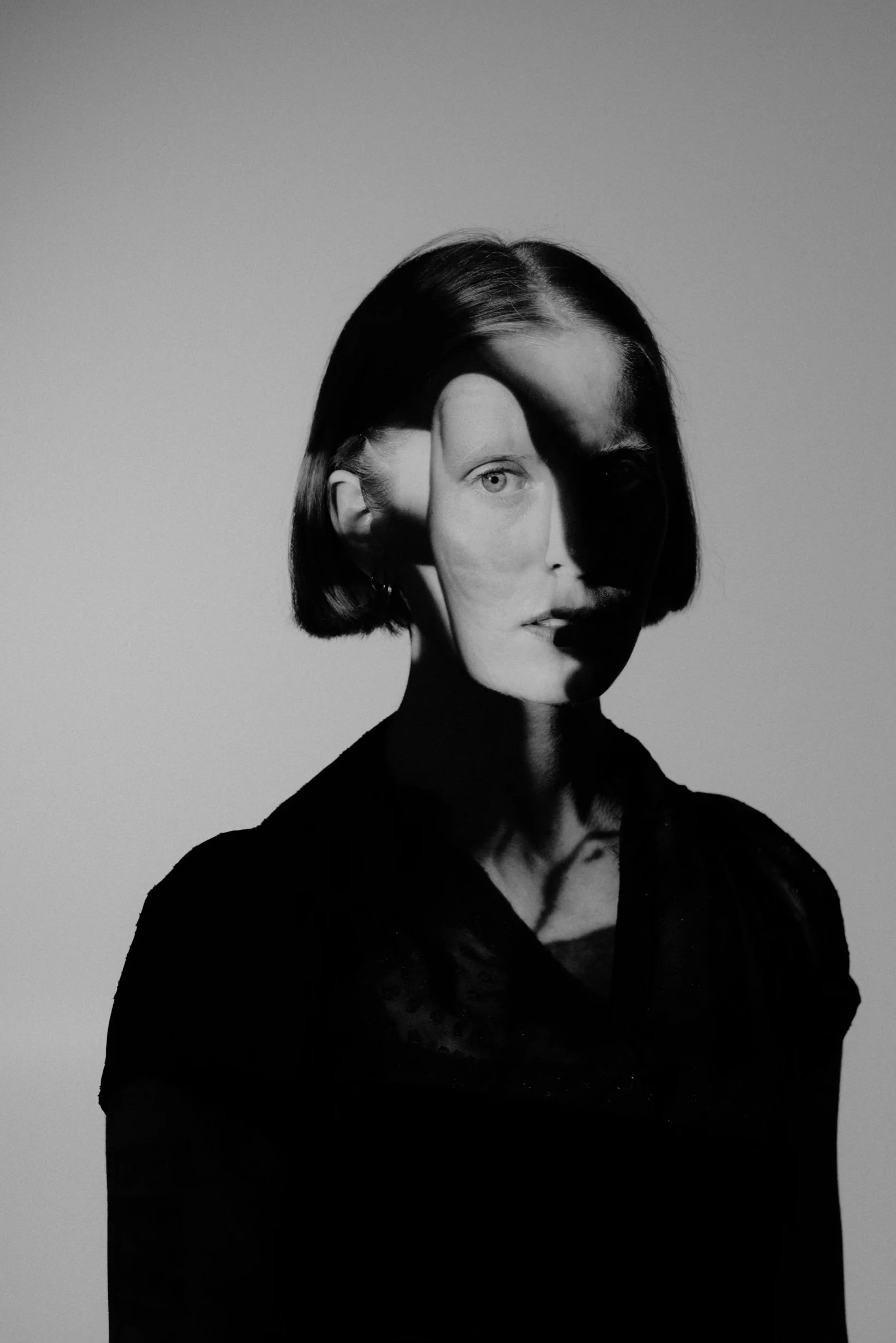
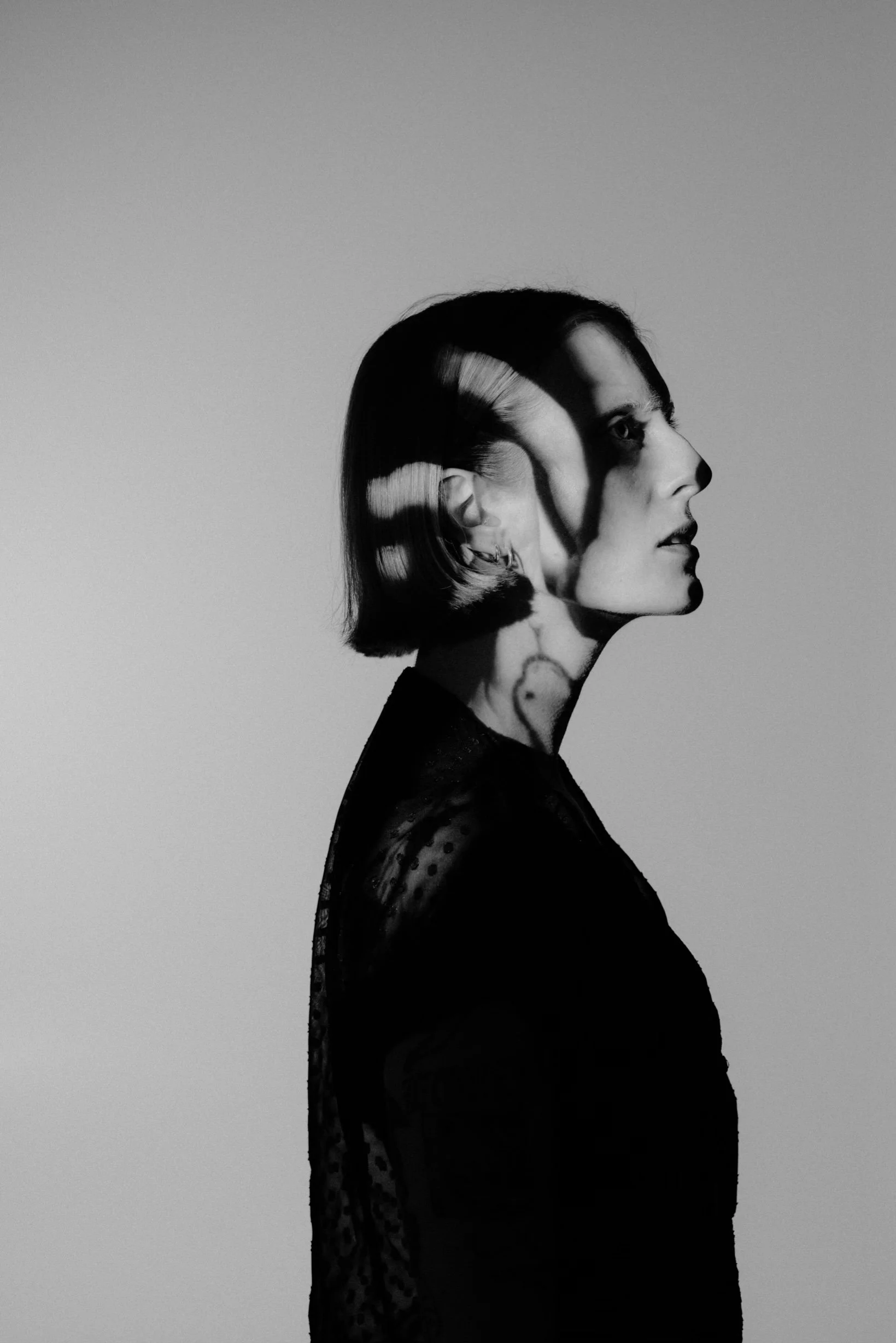
I bought my first projector in 2017 and almost immediately began considering the different ways that I could conceptually employ the tool. I found myself honing in on the theme of time, and how it relates to my subject. Here are some examples:

  • I asked subjects who had survived a traumatic event to bring images or videos that represent the trauma, which I projected onto them as a way of processing and moving through the painful memories.

  • I projected childhood images of a subject back onto them, exploring the idea that the person we were as a child is always in us, no matter how old we get.

  • I tethered the projector to my camera so that every time I took a photo of the subject, the image immediately populated the computer screen and projected back onto them, effectively lighting them with the one-second-older version of themself.

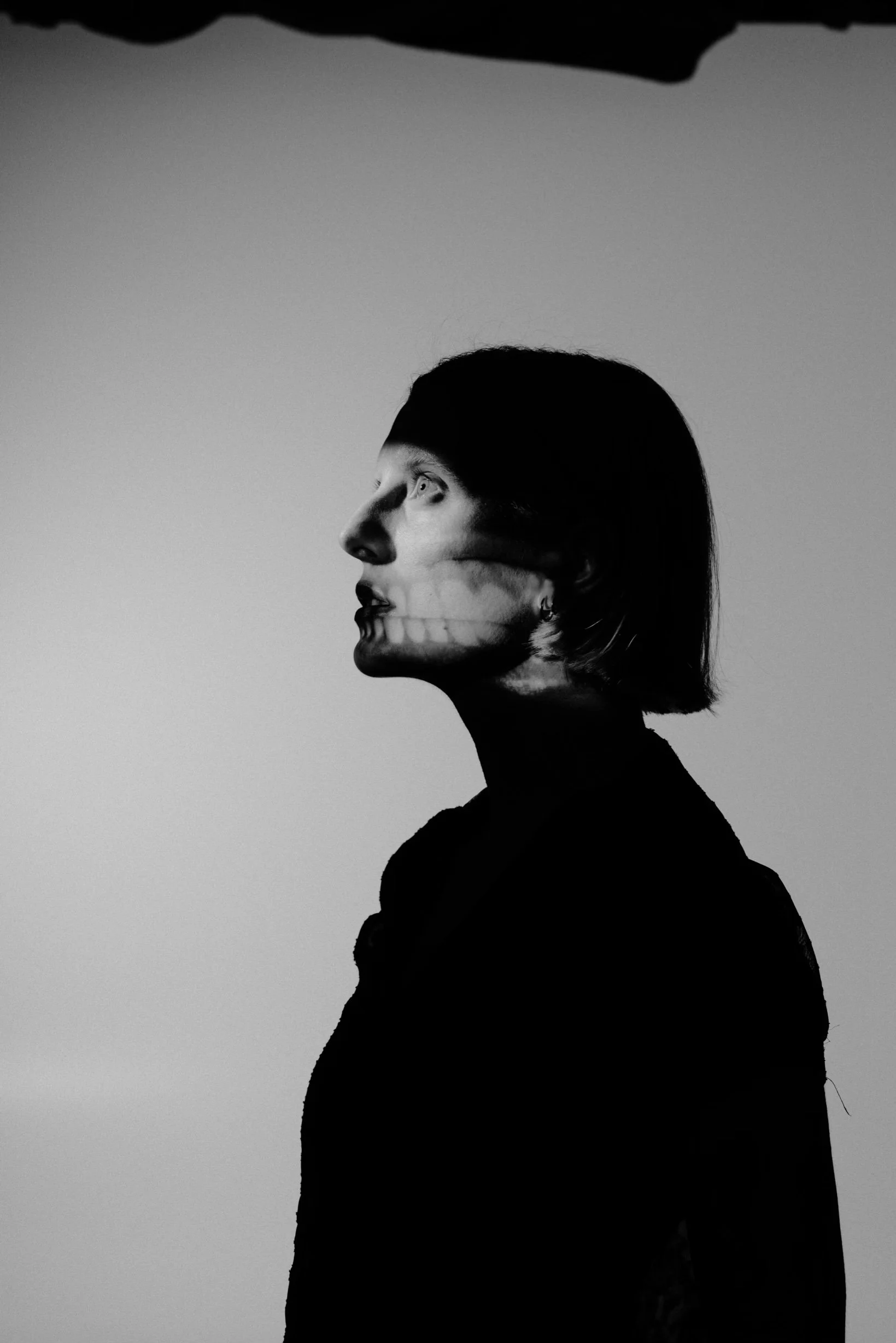
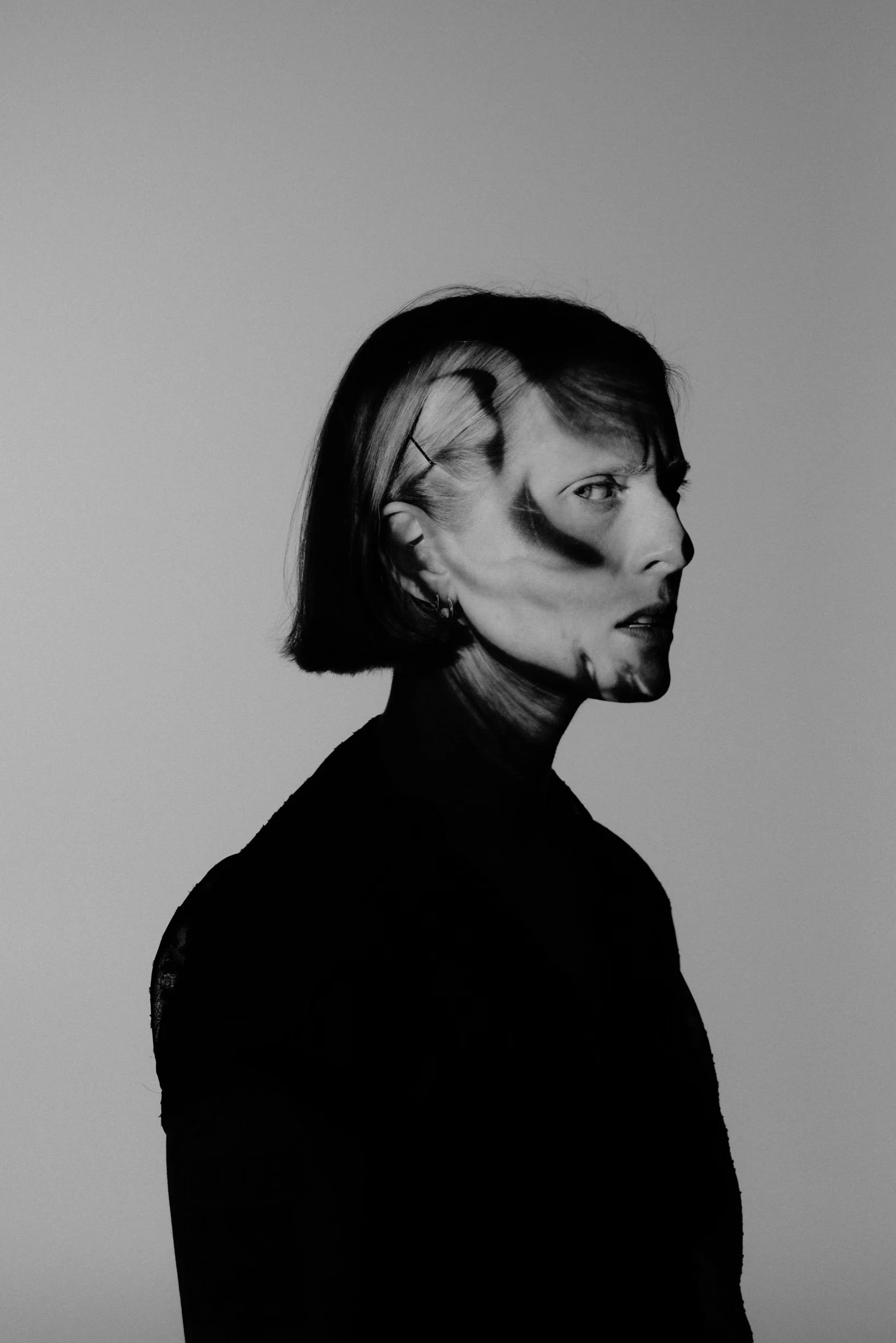
My latest shoot is a convergence of these projector explorations and a recent fascination of cubism, photo-collage, and artificial intelligence.

Many AI images look are impressive at first, in a too-good-to-be-true kind of way. Interiors brag gravity-defying architecture, or scenic terrains depict features that have never before been seen on this planet. However, there is inevitably an element that seems off when viewing these images. They are too perfect, and lack the tactility and weight that feels believable, a phenomenon referred to as the uncanny valley. This begs the question, are AI images a success or a failure? Are they successfully creating visions of an ideal human or world according to some programming and an amalgamation of stock imagery, or are they a failure in coding, with the author lacking the awareness to include nuance and imperfection in their vision? Its these details that, I’d argue, that inform us that a person or a place is real.

This brings me to this shoot. My process was as follows:

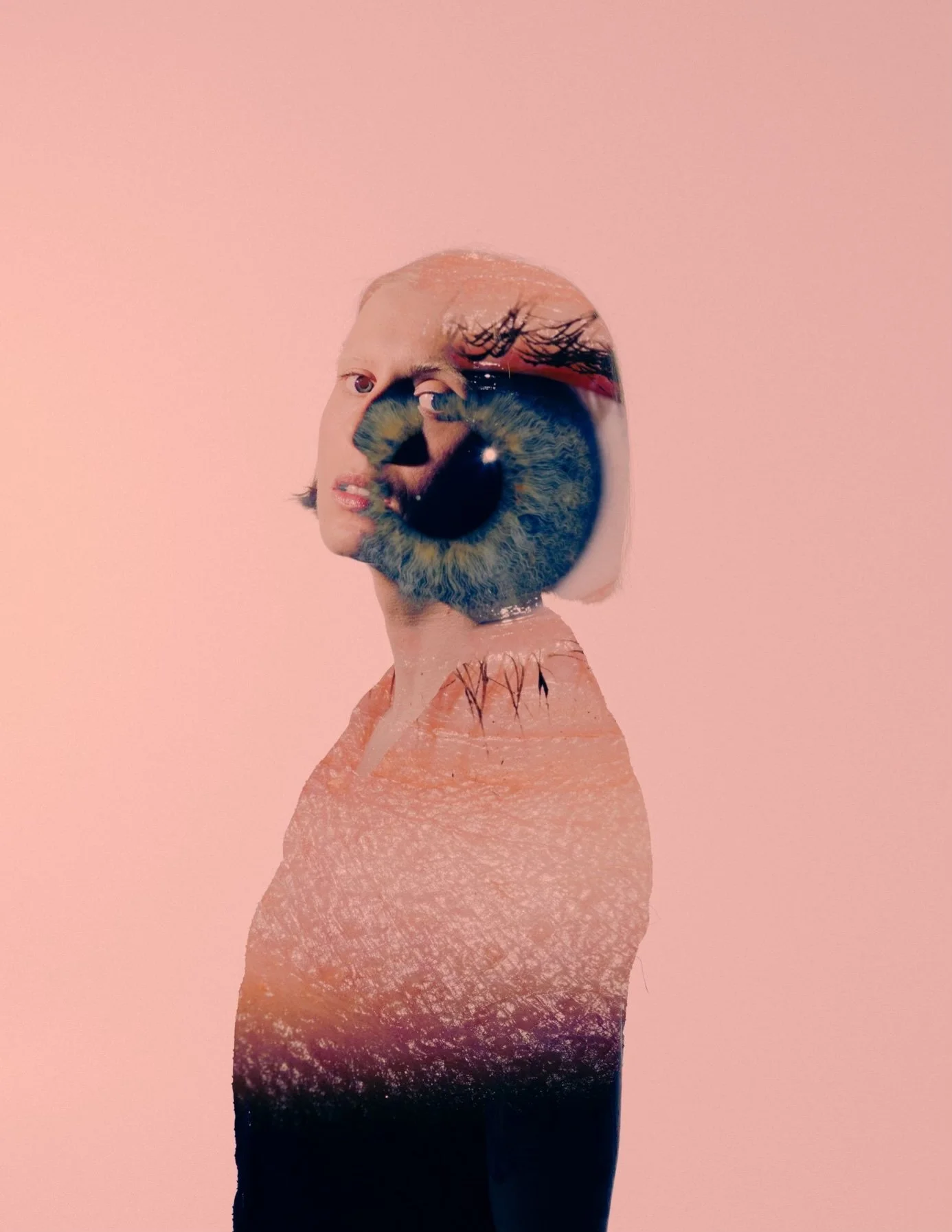
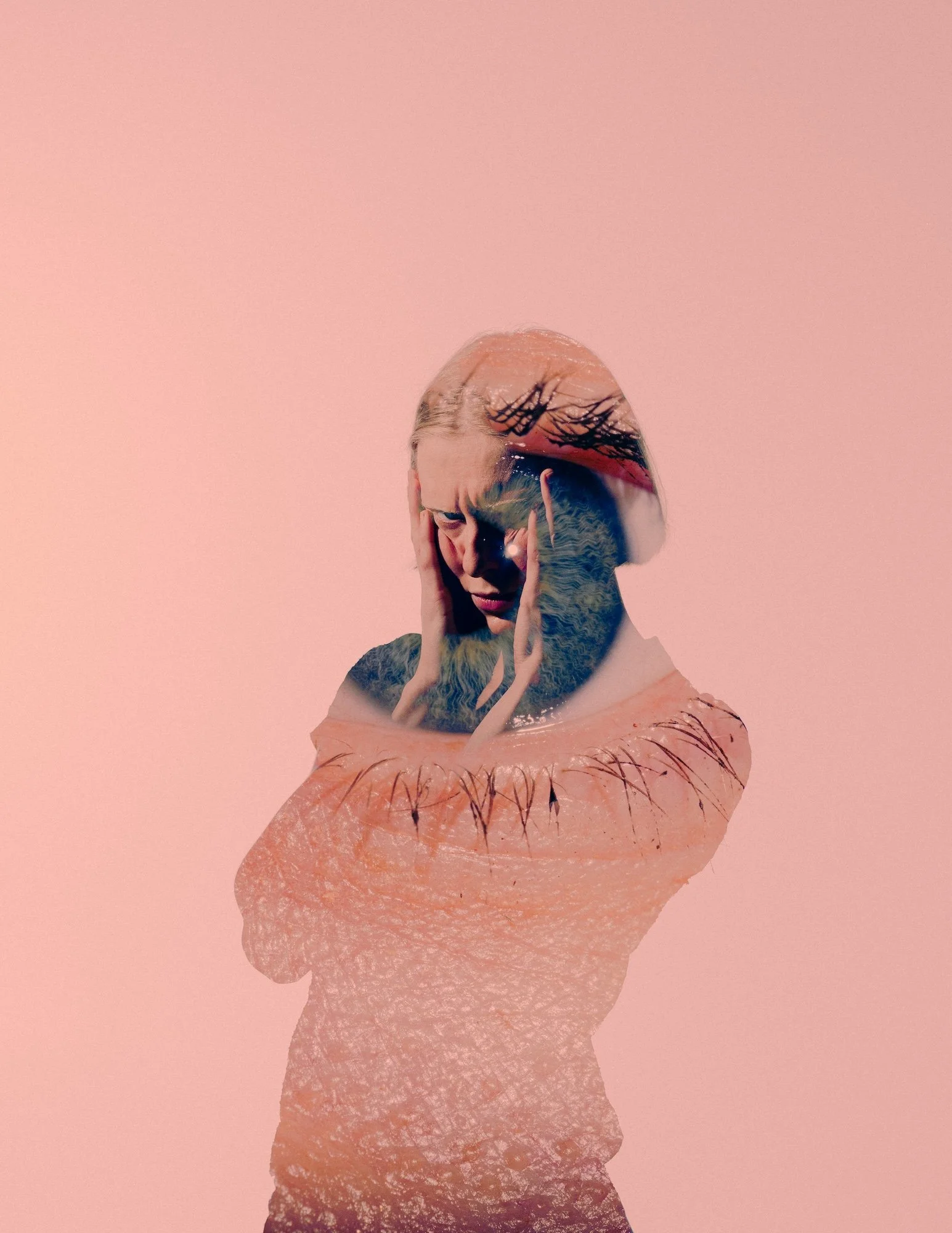
  • Create macro photos of a range of body parts of my subject

  • Import the images to my computer

  • Project the images onto the subject

  • Take a portrait

I didn’t overthink which parts to photograph, nor how to light it. I knew that the unpredictable nature of the process would dictate the resulting images more effectively than I could ever come up with in my head. After a few scenarios I decided to make some in-camera multiple exposures, using the body parts as a base layer. Once again, I trusted that the process would take the series of controls that I put in place and spit out something wildly unexpected.

The difference from this approach and AI is that the source data is all from the same, very real person. There was no outside presence machine or creative team weighing in. No retouching. No photoshop. Just the skin, hair, fingers, and teeth that make us all human.
View fullsize 1y1a5824-compressed.jpeg
View fullsize 1y1a5961-compressed.jpeg
View fullsize 1y1a5973-compressed.jpeg
View fullsize 1y1a5979-compressed.jpeg
View fullsize 1y1a6012-compressed.jpeg
View fullsize 1Y1A6018.jpg
View fullsize 1Y1A6014-2.jpg
View fullsize 1Y1A6008-2.jpg
View fullsize 1Y1A6016.jpg
Tags in camera multiple exposure, in camera techniques, in camera effects, artificial intelligence, notai, projector photography, fine art photographer, no photoshop, nick fancher, editorial photographer, los angeles portrait photographer, los angeles editorial photographer, photographers who use projectors, uncanny valley, photo blog
← Fluid Photography: Making Tiny Galaxies from Food Coloring, Vegetable Oil, and SeltzerKinstugi and the Art of Self-Care: Adult Survivor of Childhood Abuse →
Nick Fancher | Photo Blog RSS

Latest Posts

  • January 2019 1
  • February 2019 5
  • March 2019 5
  • April 2019 4
  • May 2019 8
  • June 2019 8
  • July 2019 8
  • August 2019 6
  • September 2019 8
  • October 2019 7
  • November 2019 6
  • December 2019 8
  • January 2020 5
  • February 2020 6
  • March 2020 7
  • April 2020 8
  • May 2020 5
  • June 2020 4
  • July 2020 5
  • August 2020 7
  • September 2020 8
  • October 2020 8
  • November 2020 6
  • December 2020 6
  • January 2021 6
  • February 2021 7
  • March 2021 6
  • April 2021 5
  • May 2021 6
  • June 2021 6
  • July 2021 6
  • August 2021 3
  • September 2021 5
  • October 2021 4
  • December 2021 3
  • January 2022 2
  • March 2022 2
  • April 2022 3
  • May 2022 4
  • June 2022 1
  • July 2022 2
  • August 2022 4
  • September 2022 6
  • October 2022 1
  • January 2023 2
  • February 2023 1
  • March 2023 4
  • April 2023 1
  • June 2023 2
  • July 2023 1
  • August 2023 2
  • September 2023 4
  • October 2023 5
  • November 2023 3
  • December 2023 1
  • January 2024 3
  • February 2024 2
  • March 2024 8
  • April 2024 5
  • May 2024 2
  • June 2024 2
  • July 2024 2
  • November 2024 2
  • December 2024 1
  • February 2025 1
  • April 2025 1
  • June 2025 1
  • July 2025 1