Nick Fancher Nick Fancher

Y2K Lifestyle Shoot for Unsplash+

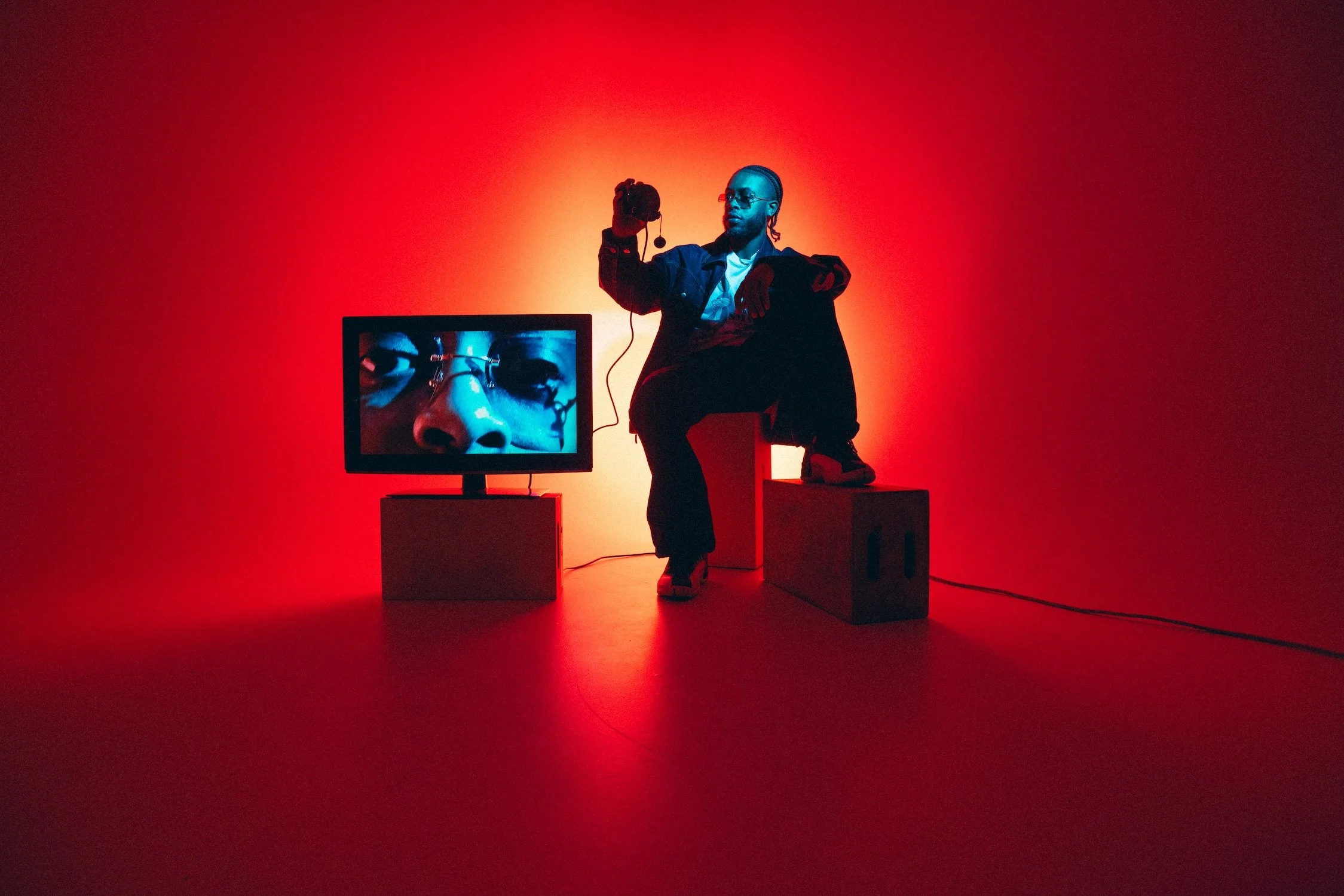
I was recently commissioned by @unsplash to create a body of work around the theme of early 00’s tech and fashion. I was born in 1980 so this was my era. I already knew how to approach shopping for props because I was basically buying everything I always wanted but couldn’t afford 😂. I was heavily influenced by the aesthetic in Gregg Araki’s 1997 film, Nowhere.
I was recently commissioned by @unsplash to create a body of work around the theme of early 00’s tech and fashion. I was born in 1980 so this was my era. I already knew how to approach shopping for props because I was basically buying everything I always wanted but couldn’t afford 😂. I was heavily influenced by the aesthetic in Gregg Araki’s 1997 film, Nowhere. If you haven’t seen it, it’s currently streaming on @criterioncollection.

Big shout out to the models @eriblue @kcentere @erin.esther @younglani_ for doing their own styling, makeup, hair, etc. This was a shoot to remember.

Read More
Nick Fancher Nick Fancher

Identity: A Commission by Unsplash+

The team at Unsplash reached out to me to commission a body of work around the theme of identity. Identity is such a broad, subjective concept that I ultimately used several different technical approaches to create the portraits…
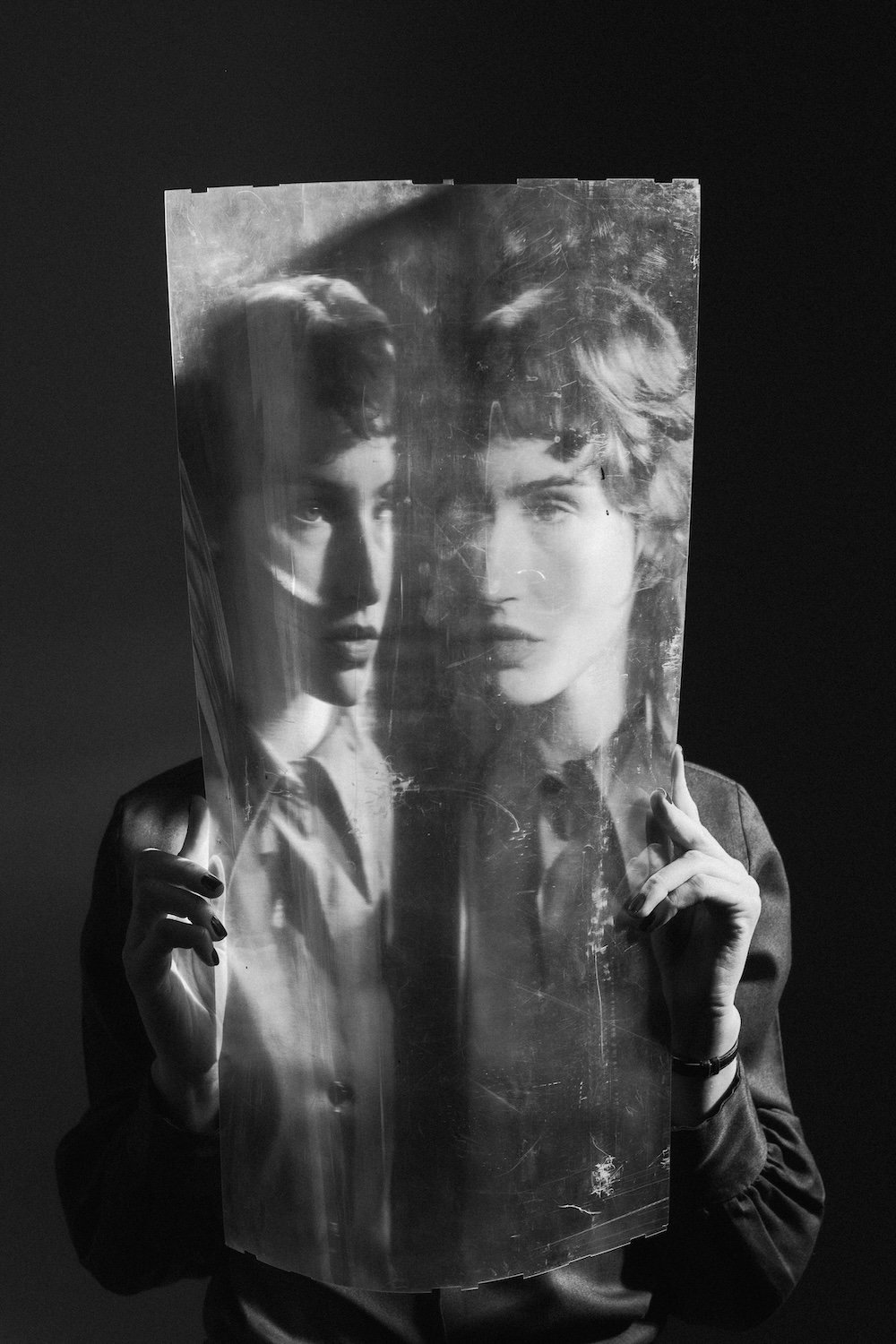
The team at @Unsplash reached out to me to commission a body of work around the theme of identity. Identity is such a broad, subjective concept that I ultimately used several different technical approaches to create the portraits. 

My first idea was to photograph a subject from several different angles, then import the images to my computer and use a projector to display the images back onto them. My intent was to create cubist-inspired images that showed several angles of the subject’s face at the same time.

My second idea was to shoot through a diffusion panel that was salvaged from a deconstructed Mac monitor. The panel allows me to simultaneously see the front and side of my subject’s face, creating images similar to the cubist approach.

For my third idea I used mirrors in a couple different ways. The first was to use a cracked mirror to create a double image of the subject. In one of the sessions I shot with a couple, and I played around with having them take turns holding the mirror to reflect each other. I also tried having one of them hold a prism in front of the other person’s face, capturing both of their reflections in the cube.

Finally, I played around with print manipulation. I created a set of images, printed them out, and then had the subjects interact with them, such as crumpling them up or tearing them. 

I’d like to thank my amazing subjects (@parkerxlouis, @vivvyen, @clara____cecile, and @4evvrr) for helping bring my ideas to fruition. I’d also like to thank Unsplash for the amazing freedom and support to create my art. 

Read More
Nick Fancher Nick Fancher

Fluid Portraits Commission by Unsplash+

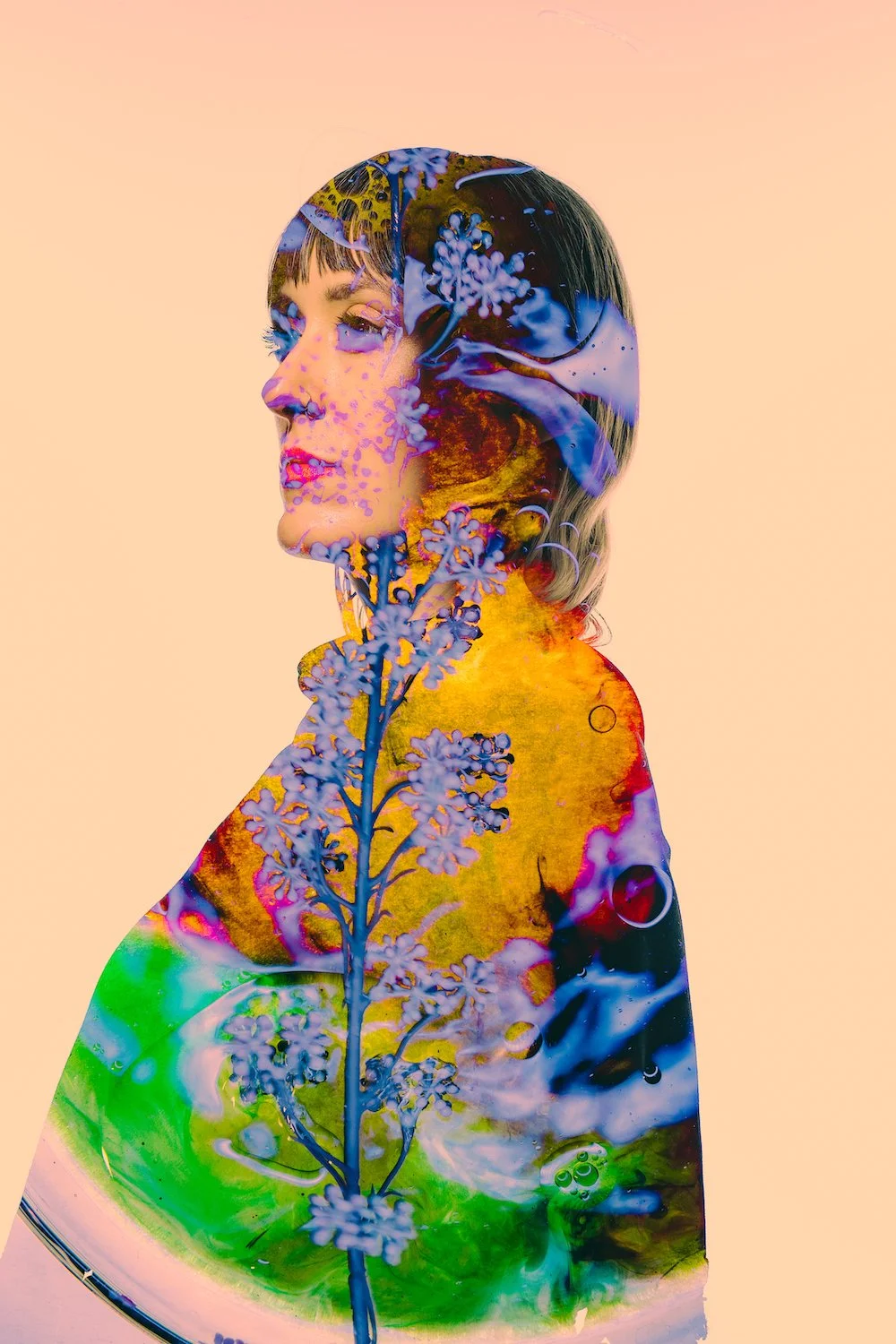
These images were all created using in-camera effects. No Photoshop was used— only color grading in Lightroom.

I was recently commissioned by Unsplash+ to create a library of fluid portraits. Last year I began working on a new body of images where I explore fluids and in-camera multiple exposures. My Canon 5DIV allows me to select an image from my memory card and overlay it on my viewfinder, when in “live view”, which allows me to intentionally compose multiple exposures. Even though I know more or less how the fluid and the portrait will merge, there is always a moment of surprise when the final image pops up on my screen. As you can see in the gallery below, the same fluid shot will produce wildly different results depending on how the subject is light, the clothes they’re wearing, their hair, the complexion of their skin, etc. This makes each image a one-of-one.
These images were all created using in-camera effects. No Photoshop was used— only color grading in Lightroom.

I was recently commissioned by Unsplash+ to create a library of fluid portraits. Last year I began working on a new body of images where I explore fluids and in-camera multiple exposures. My Canon 5DIV allows me to select an image from my memory card and overlay it on my viewfinder, when in “live view”, which allows me to intentionally compose multiple exposures. Even though I know more or less how the fluid and the portrait will merge, there is always a moment of surprise when the final image pops up on my screen. As you can see in the gallery below, the same fluid shot will produce wildly different results depending on how the subject is light, the clothes they’re wearing, their hair, the complexion of their skin, etc. This makes each image a one-of-one.

Read More
Nick Fancher Nick Fancher

The Negative Side of Social Media : Commissioned by Unsplash

As some of my longtime followers know, I’ve had a complicated relationship with social media. In 2019 I was experiencing so much anxiety that I permanently deleted all of my accounts (60,000 followers over 3 platforms) with no plans to return. I spent the next year off the grid. Though I’d already been in therapy for years I also began going to a support group for adult survivors of childhood abuse (ASCA). I started climbing and began regularly cycling again. The combination of processing trauma, moving my body, and removing myself from situations and relationships that exacerbated my anxieties, I began to heal…
As some of my longtime followers know, I’ve had a complicated relationship with social media. In 2019 I was experiencing so much anxiety that I permanently deleted all of my accounts (60,000 followers over 3 platforms) with no plans to return. I spent the next year off the grid. Though I’d already been in therapy for years I also began going to a support group for adult survivors of childhood abuse (ASCA). I started climbing and began regularly cycling again. The combination of processing trauma, moving my body, and removing myself from situations and relationships that exacerbated my anxieties, I began to heal.

During that year I noticed that I changed not only my methods of art making but also what I expected would come from one of my creations (which was ultimately tied to my needs for acceptance and to survive). Before I left social media it felt as though a piece of art that I shared wasn’t a success until it had been validated through likes or comments or follows or gigs. Chasing a target as elusive and hard to quantify as this meant that I most frequently internalized the perceived failures and doubled down on my efforts (do better, do more, never stop) until I reached my limit and I hit a wall.
Though it seems that we are moving into an age where everyone is their own brand, I needed to hear the message that I had inherent worth apart from what I created or could monetize. I changed my daily rhythm and general posture towards my time on this earth. As I approached my one-year anniversary of having left social media, I considered what it could look like to return to it. My therapist gave me helpful advice of implementing a daily time limit for the apps and also limiting myself to two posts per week. I took it a step further and decided to “un-curate” my posts, interspersing more personal posts alongside my professional work, in an effort of not taking social media too seriously.
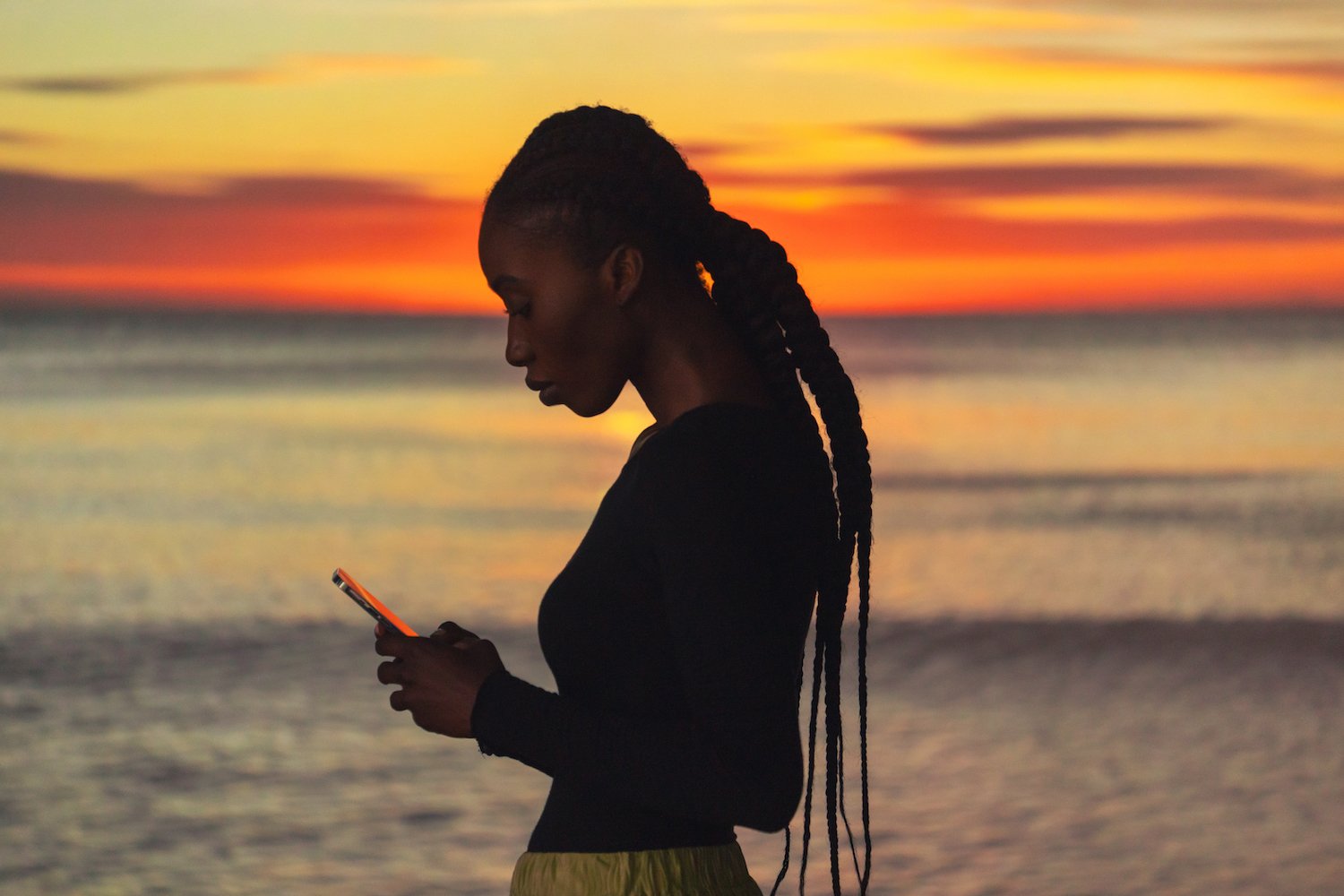
All this to say that when Unsplash approached me to create a body of work around the negative side of social media, I was able to pull from my personal experience when thinking up which concepts and techniques to use. I made multiple exposures to illustrate how I struggle to not have a phone in my hand. I used a projector in conjunction with a long exposure motion to reference both body heat maps as well as the frenetic pace at which life moves, especially when viewed on a screen. Finally, my favorite idea was to project images of beautiful landscapes (images I’d shot with my phone on various vacations) behind the subject, with their back turned to the natural beauty and their face lit only by their phones (one more thing I pulled from my personal experience).

A big thank-you to the team at Unsplash+ for the opportunity to create a series of work around something so personal and important to me. Also, thank you to Ryan, Jeego, Shelby, Priscilla, and my kids, Jack and Margo, for being such great models.

Read More
Nick Fancher Nick Fancher

Cyberpunk Photo Shoot for Unsplash+

I was recently commissioned by Unsplash to create a series of cyberpunk-inspired images. Though the cyberpunk aesthetic is especially trendy as of late, it has held a spot near to my heart ever since I was a teen in the nineties…

I was recently commissioned by Unsplash to create a series of cyberpunk-inspired images. Though the cyberpunk aesthetic is especially trendy as of late, it has held a spot near to my heart ever since I was a teen in the nineties playing the RPG, reading the books of William Gibson, and obsessively watching films like Blade Runner, Ghost in the Shell, and Tetsuo. 

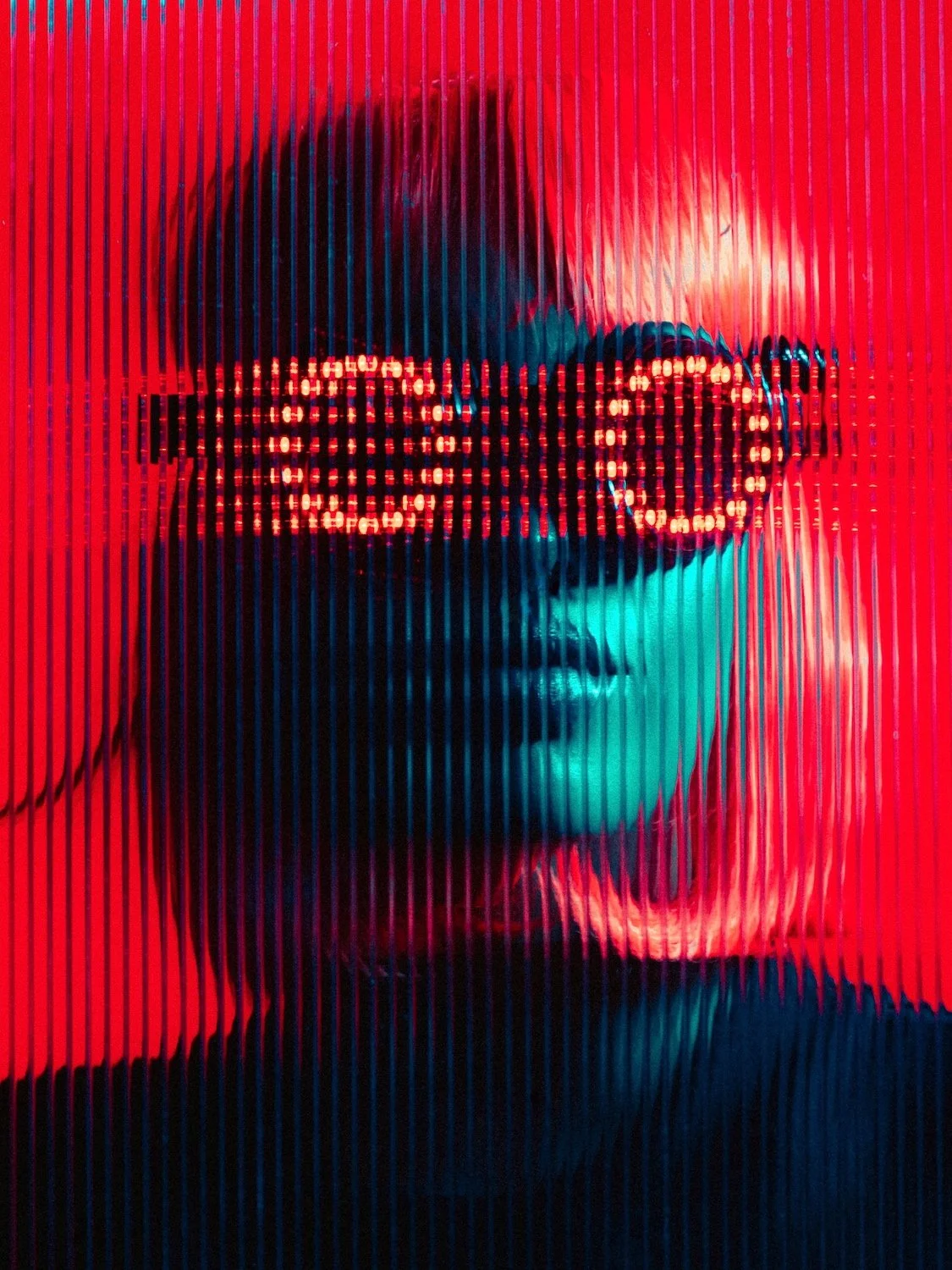
Because of this, I gave this project everything I could, exploring a range of in-camera and lighting techniques. I used fiber optic brushes to paint with light; swirled strands of LED lights around Brielle to encircle her with light; and I shot through a panel of reeded plastic, just to name a few. I even styled most of the shoot myself, selecting a mix of tech and punk-inspired accessories. Big shout out to my models, Brielle and Dustin for making my job easy. 

Read More