Google+
    • Portraits
    • MUSIC
    • Editorial
    • Multiple Exposure Portraits
    • Projector Portraits
    • Dance
    • Commercial
    • Video
  • About
    • Patreon Channel
    • Workshops
    • Lens Filters
    • Remote Photo Shoots
    • Tutorials / Presets
    • Books
    • Prints
  • Blog
  • Contact
Menu

Nick Fancher

Editorial, Music, and Commercial Photographer
  • Portfolio
    • Portraits
    • MUSIC
    • Editorial
    • Multiple Exposure Portraits
    • Projector Portraits
    • Dance
    • Commercial
    • Video
  • About
  • Shop
    • Patreon Channel
    • Workshops
    • Lens Filters
    • Remote Photo Shoots
    • Tutorials / Presets
    • Books
    • Prints
  • Blog
  • Contact

Getting Spooky with Rachel (Digital Pinhole)

September 14, 2020

Last week I shot with frequent collaborator Rachel Luree and made a range of ghosty images, including some digital pinhole images. If you’re unfamiliar with pinhole photography, it’s essentially any light-tight object with photo sensitive material inside and a tiny hole which acts as the aperture. An entire room can then be a pinhole camera (see camera obscura). I’ve made pinhole cameras out of LEGO, oatmeal boxes, film canisters, and cigarette tins. While each iteration has offered unique results, exploring digital pinhole has been a quicker and easier experience by far.

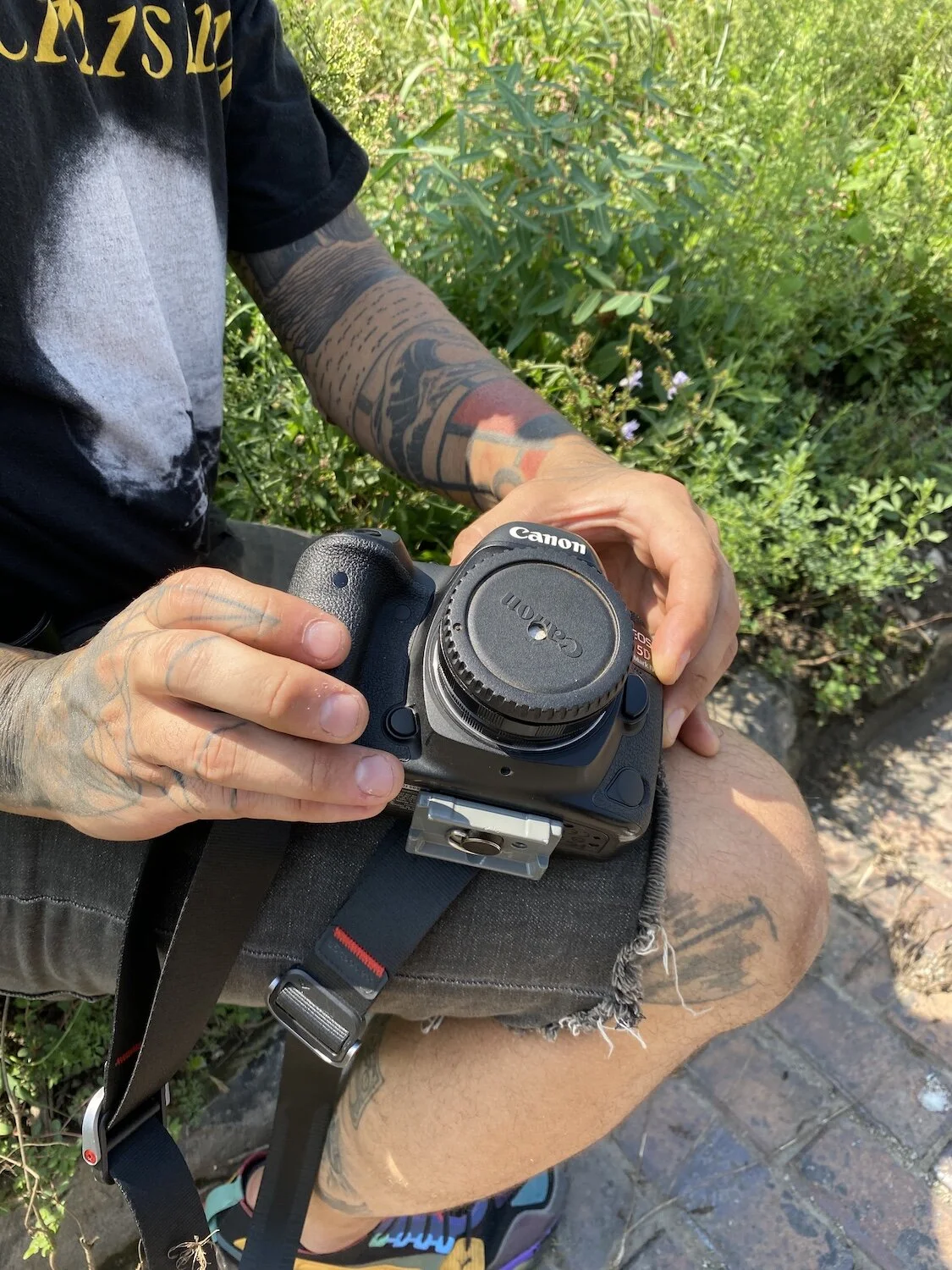
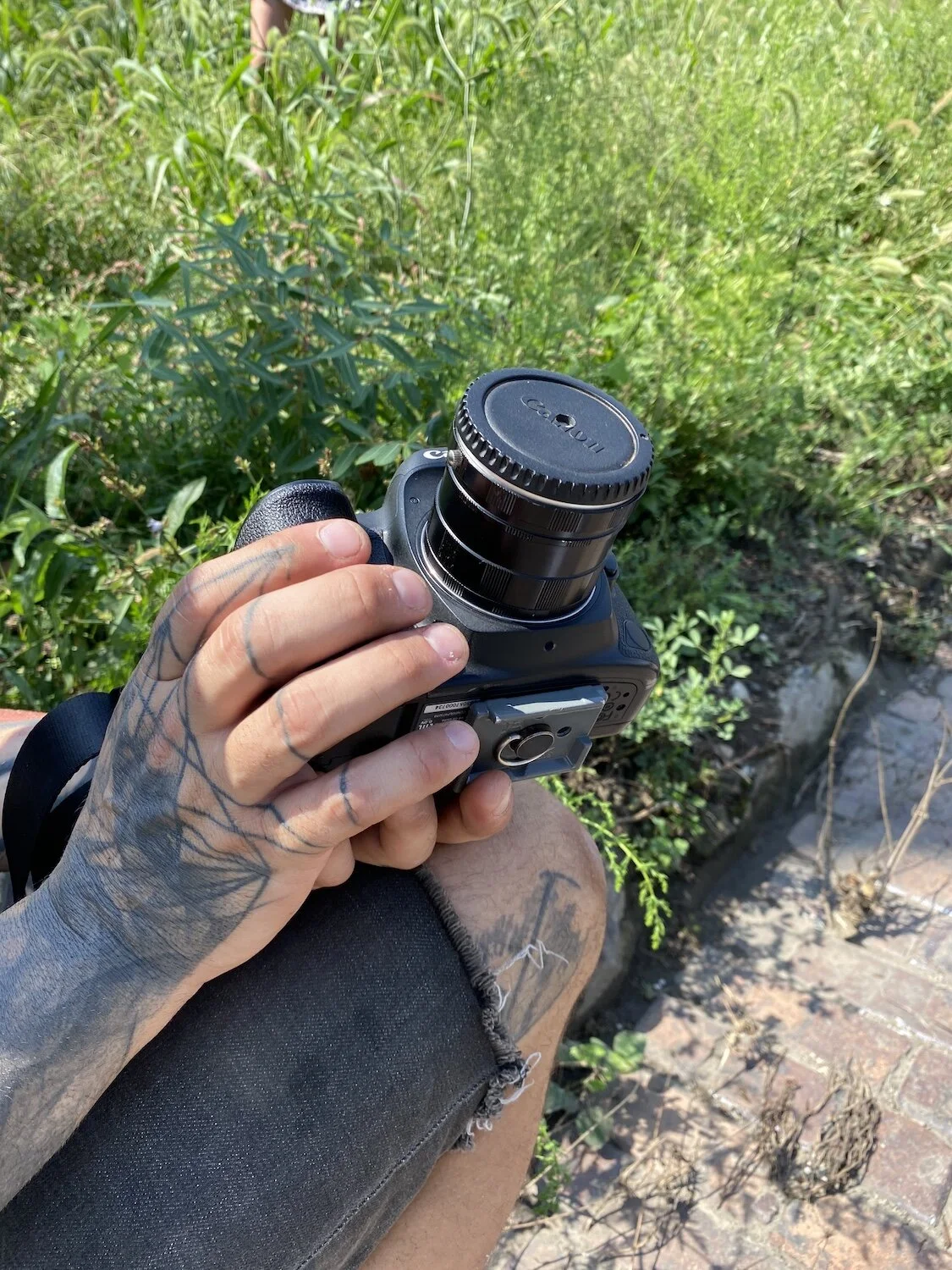
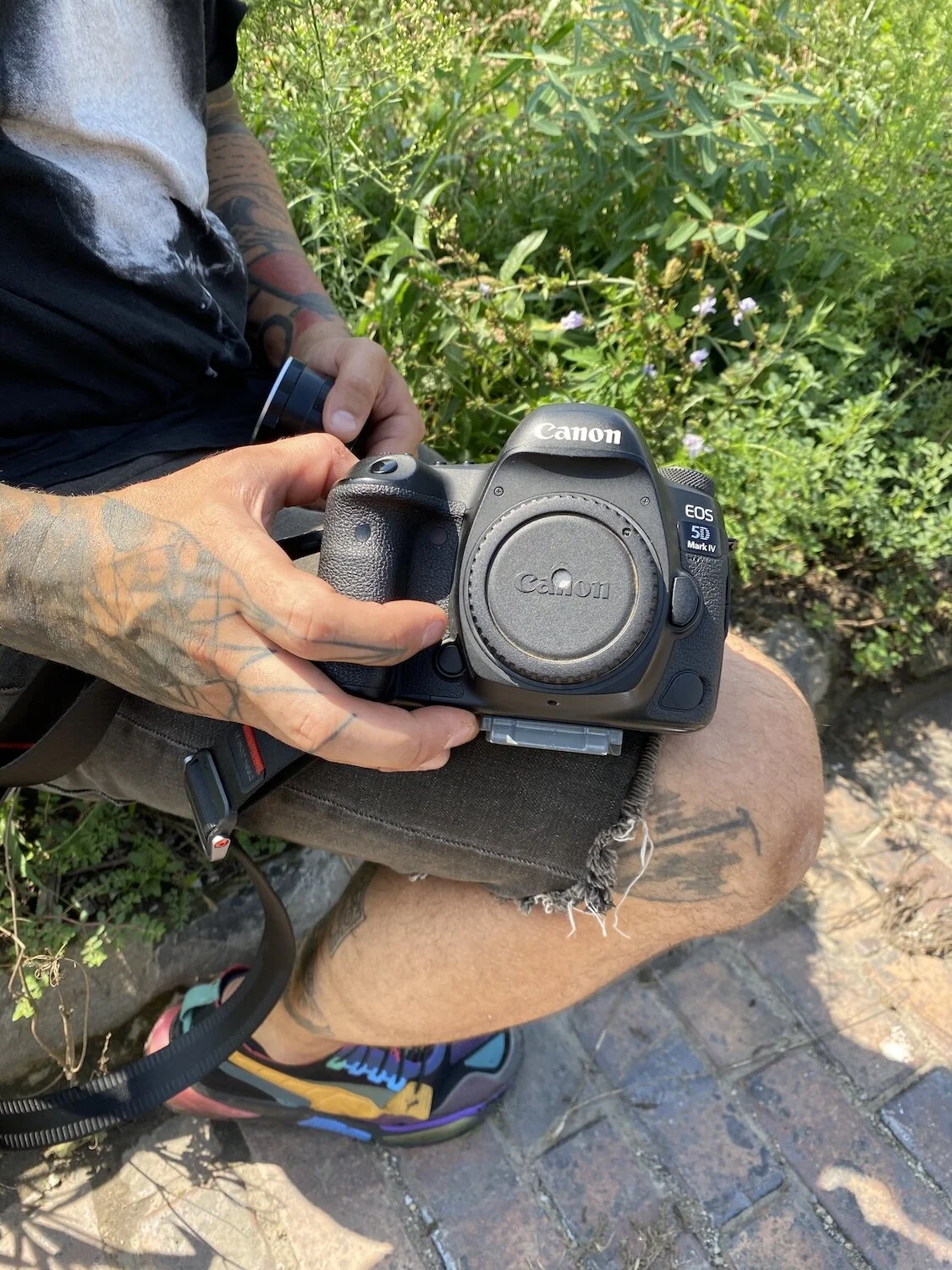
The pinhole lens (which I purchased on ebay) is just a body cap with a hole drilled out and a piece of metal glued in place, with a tiny pin-hole in the center. The pinhole diameter is 0.28mm, which translates roughly to f/157. It has three extension tubes (7mm, 14mm, 28mm) which can be used independently or all together to change the lens from a wide angle to a zoom. Using only body cap is the widest angle— likely a 20mm equivalent on the full frame sensor. Adding a the 7mm and 14mm extensions made it 50mm or so. Adding numbers all three extension tubes made it approximately 100mm. Note that the longer the lens is the more light is lost, meaning you have to compensate your exposure. My camera’s ISO maxes out at 32,000 and I obviously can’t open the aperture anymore, so my only option was to lower my shutter speed from 1/100 to 1/50. Considering we were shooting in full sunlight I’d need to use a camera with a higher ISO or bring a tripod if it was a cloudy day or shot indoors.
View fullsize BTS Seth Moses Miller
View fullsize 214A8636.jpg
View fullsize BTS Seth Moses Miller
View fullsize 214A8650.jpg
View fullsize BTS Seth Moses Miller
View fullsize 214A8688.jpg

After wrapping the pinhole set we returned to my studio to explore creating ghosty images via a different technique. I had Rachel stand behind a silk scrim, which I lit and shot two different ways. The first was lit with an LED from the side of the model, which cast her shadow sideways onto the scrim. The second was lit with a strobe behind her, which cast her shadow forward onto the scrim. I then pulled down the white point in the tone curve in Lightroom to give the image a solarized look.

View fullsize 214A8813.jpg
View fullsize 214A8820.jpg
Tags digital pinhole camera, pinhole camera, experimental photography, model, studio photography, photo blog, nick fancher, editorial photographer, new york city editorial photographer, los angeles editorial photographer, columbus editorial photographer, ohio, midwest photographer, experimental, ghosty, ghostly, spooky, extension tubes, solarized, camera obscura, canon, scrim, rachel luree
← Dwell Magazine: Lolly Lolly CeramicsMy Travel Gear Kit →
Nick Fancher | Photo Blog RSS

Latest Posts

  • January 2019 1
  • February 2019 5
  • March 2019 5
  • April 2019 4
  • May 2019 8
  • June 2019 8
  • July 2019 8
  • August 2019 6
  • September 2019 8
  • October 2019 7
  • November 2019 6
  • December 2019 8
  • January 2020 5
  • February 2020 6
  • March 2020 7
  • April 2020 8
  • May 2020 5
  • June 2020 4
  • July 2020 5
  • August 2020 7
  • September 2020 8
  • October 2020 8
  • November 2020 6
  • December 2020 6
  • January 2021 6
  • February 2021 7
  • March 2021 6
  • April 2021 5
  • May 2021 6
  • June 2021 6
  • July 2021 6
  • August 2021 3
  • September 2021 5
  • October 2021 4
  • December 2021 3
  • January 2022 2
  • March 2022 2
  • April 2022 3
  • May 2022 4
  • June 2022 1
  • July 2022 2
  • August 2022 4
  • September 2022 6
  • October 2022 1
  • January 2023 2
  • February 2023 1
  • March 2023 4
  • April 2023 1
  • June 2023 2
  • July 2023 1
  • August 2023 2
  • September 2023 4
  • October 2023 5
  • November 2023 3
  • December 2023 1
  • January 2024 3
  • February 2024 2
  • March 2024 8
  • April 2024 5
  • May 2024 2
  • June 2024 2
  • July 2024 2
  • November 2024 2
  • December 2024 1
  • February 2025 1
  • April 2025 1
  • June 2025 1
  • July 2025 1