
Did You Know I Have a Podcast?
Did you know that I have a podcast? I launched Viewfinders in fall of 2018, with the aim of having candid conversations with photographers from around the world. The idea came to me when I was teaching at Gulf Photo Plus for Photo Week in 2018. There were around ten other photographers from around the world that were teaching there, and by the end of the week I felt full from all the amazing stories I heard about their personal journeys. I wanted more.
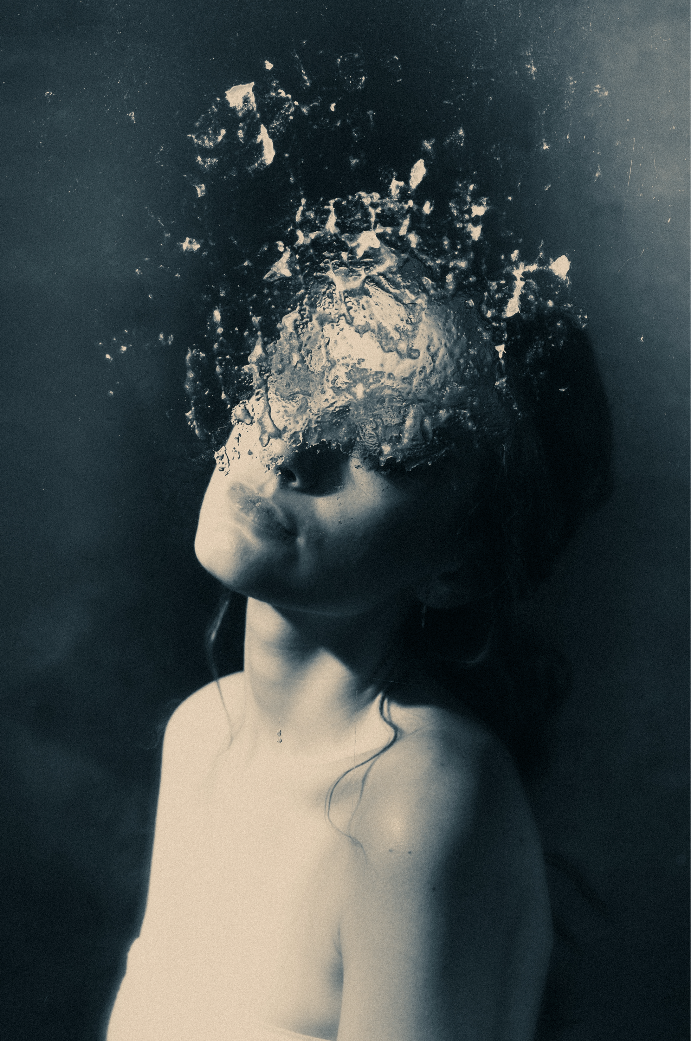
Strata VI
With these latest Strata portraits, I have started to do partial oil applications, leaving larger portions of the subject visible. I have used a number of application techniques such as blotting with my fingers, blotting with a paper towel, or smearing with a paper towel. I can’t deny how heavily these are influenced by the work of painter Henrik Uldalen. I also started giving the images a cyanotype treatment in post, which I really like. I think it gives the images an older feeling. My aim is for these portraits to not feel like they are from a specific time or of a specific person, but rather capturing a mood or feeling.
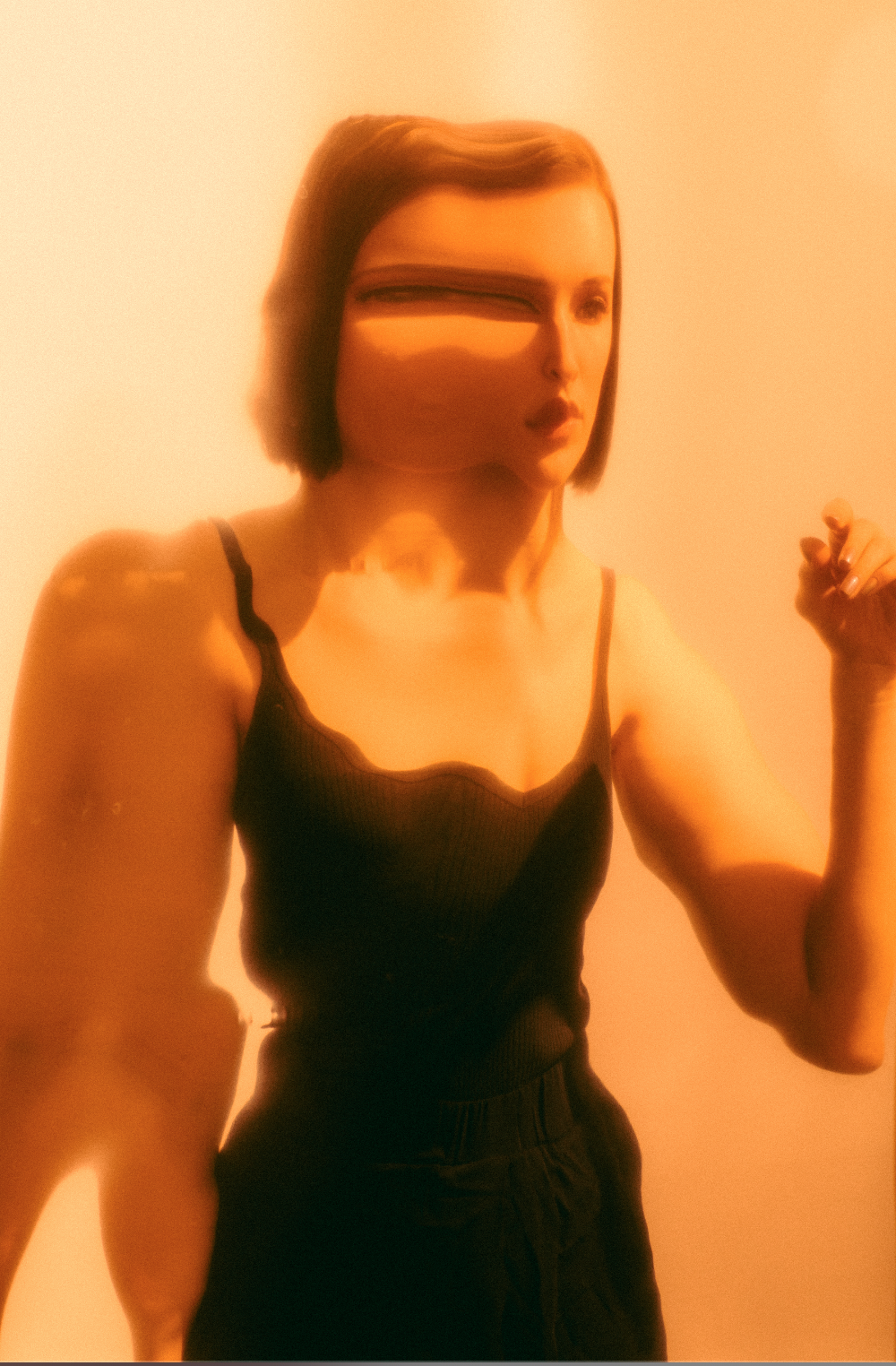
Glow and Flow
I’ve been shooting with the fungus-covered lens I bought off ebay for the past month. I find that I especially enjoy pairing the lens haze with warm lighting/toning, as you see above. Of course I can’t do any look or technique for very long before I find myself getting bored and wanting to move on to something else.
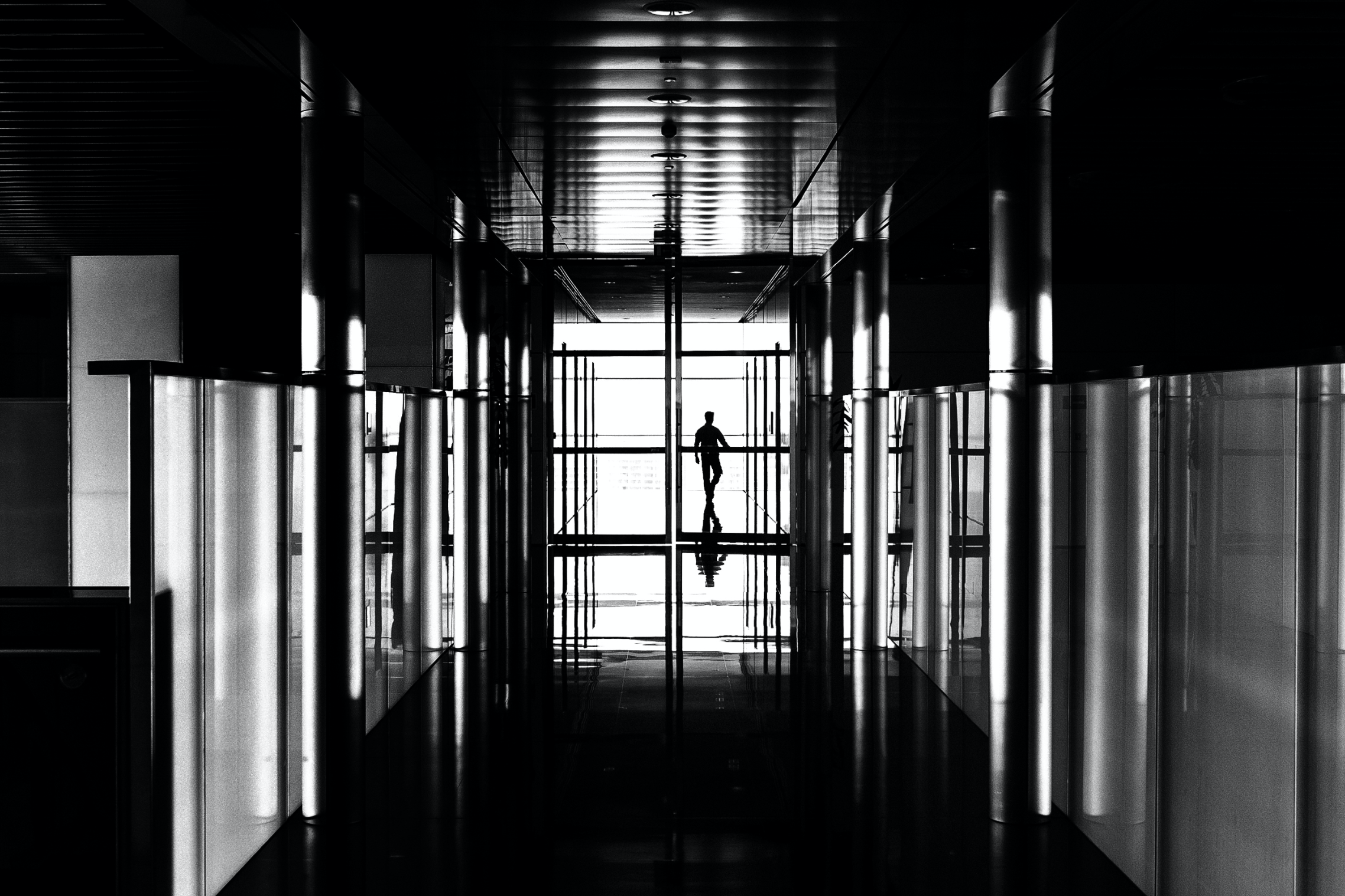
Life on the Other Side
It’s been nearly four months since I deleted my social media accounts. By “delete” I don’t mean that I simply removed the apps from my phone. I mean that I closed the accounts, resulting in the loss of nearly 60,000 followers (if you’re interested in reading my original statement on this, visit my blog post). In my post I list a number of reasons for leaving social media, such as follower engagement overly influencing the ways in which I create; an increase in anxiety, brought on my social media; the investment of hundreds of hours per year on with little quantifiable pay-off.
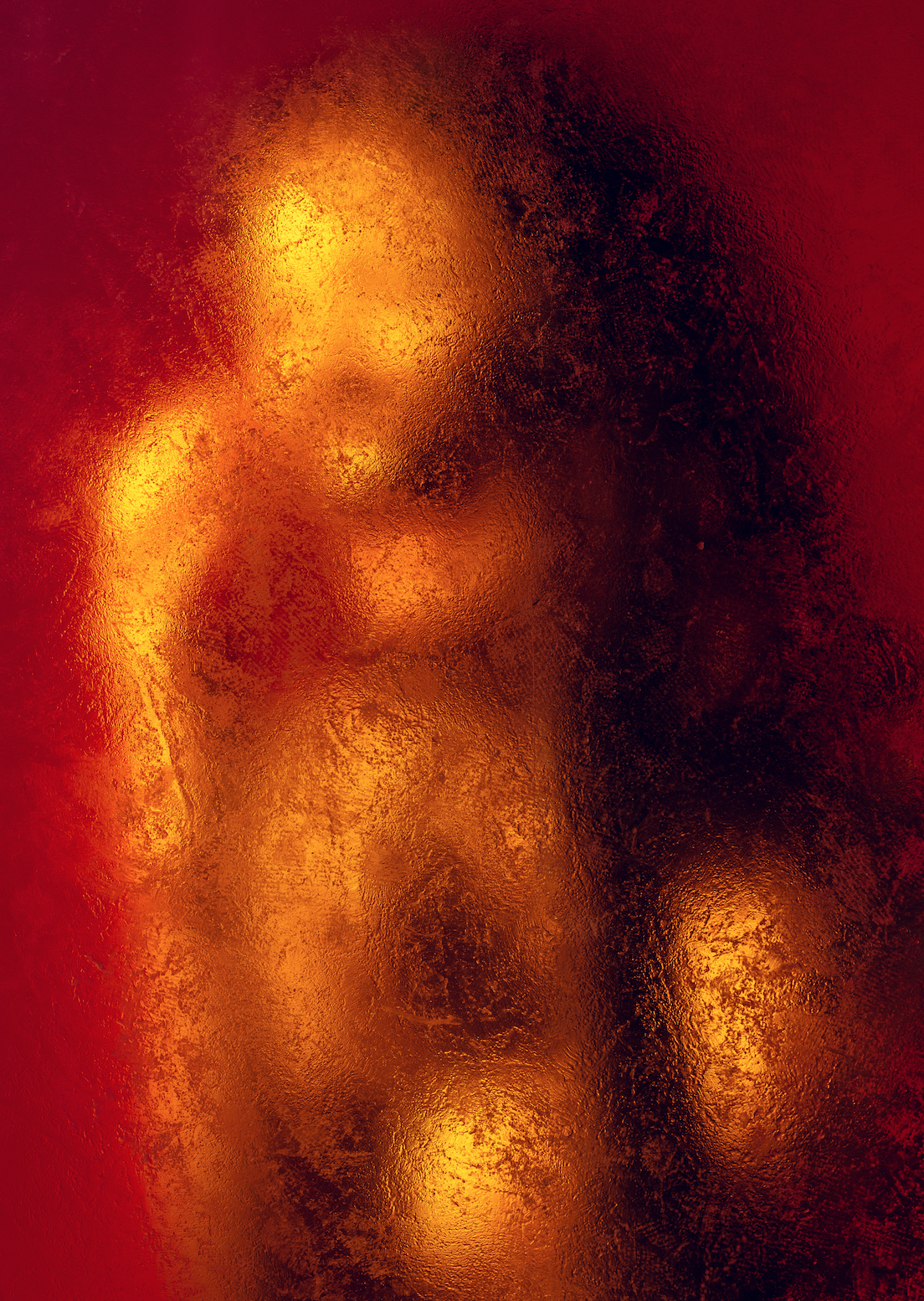
Strata V
This was my first attempt at implementing color into my oil portraits. I have been a fan of Andres Serrano’s Immersions series for a long time and decided to use Andres Serrano’s Piss Christ as a color reference. Aside from loving his use of reds and yellows, I’ve always been struck by the coexistence of danger and beauty in Serrano’s images, which are themes I’m exploring in this series.
Strata IV
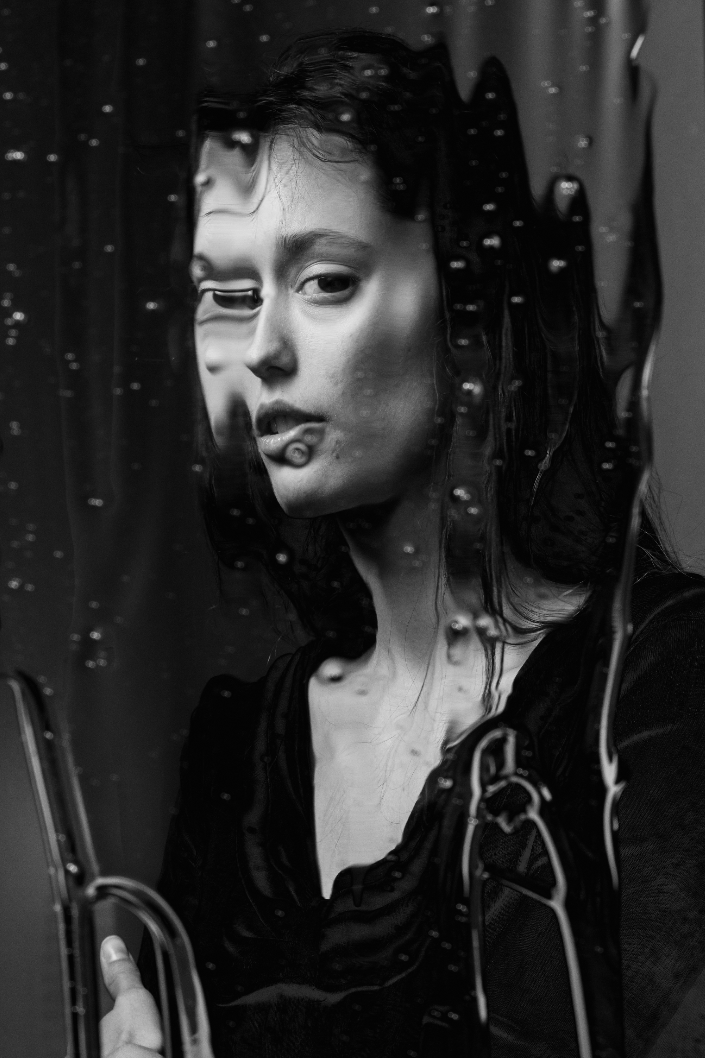
I’m beginning to figure ways to control and manipulate the honey in my Strata portraits. I’m now using a mirror for my honey images, while I still use a large sheet of glass for the oil shots. Rather than cleaning off the mirror between shoots, I leave it laying flat, allowing the honey to settle (and collect dust and grit). Once I am ready to shoot, I stand it up and and dab it with my fingers, which creates raised areas for a few minutes. The refraction from the honey can get really extreme, mimicking the distortion from a funhouse mirror. My favorite parts of the image are the areas where the face/skin begin to split away from the body, as if to disintegrate.
Perfect Imperfections
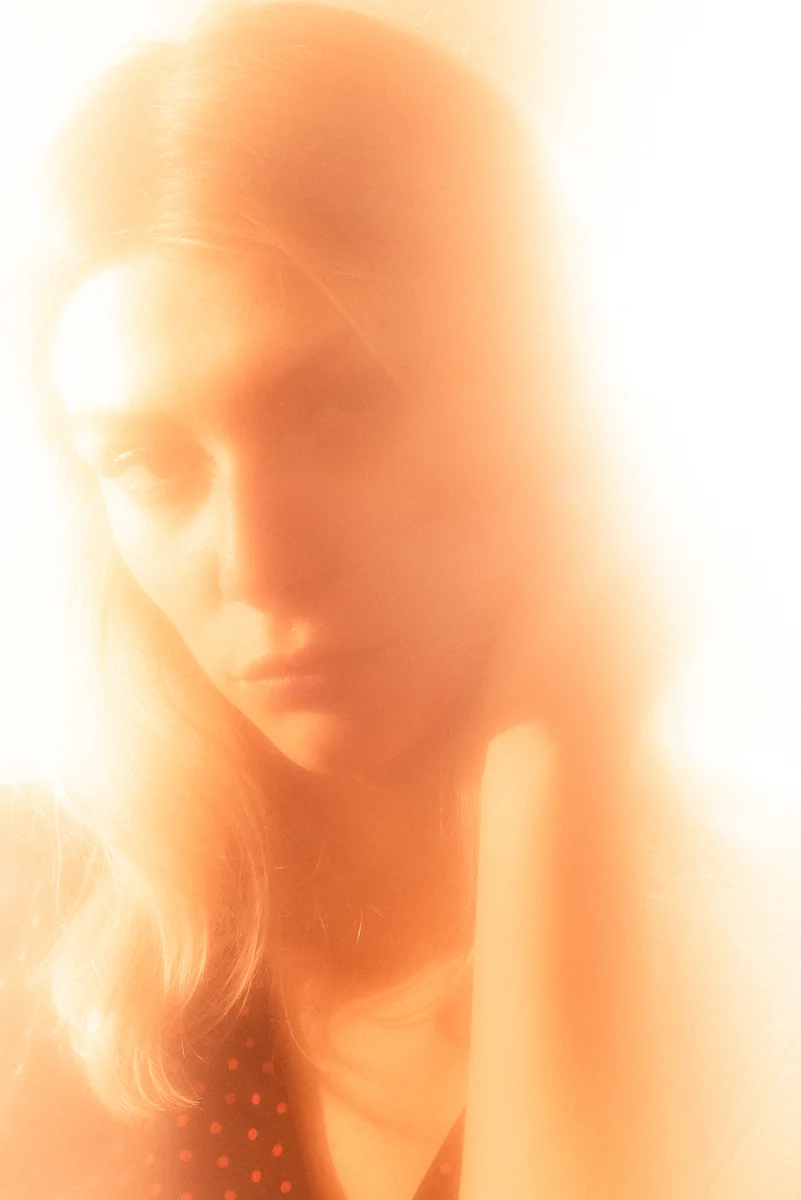
I, for one, am someone with a limited imagination. What I mean by that is that I need to get my images looking how I want them in camera so all I have left to do is color grade them. So if I want a lens flare or glitch or haziness in my image, I need to introduce that element into my shoot. All that’s to say that recently I’ve spent quite a bit of time scavenging ebay for broken or flawed camera lenses.
Strata III
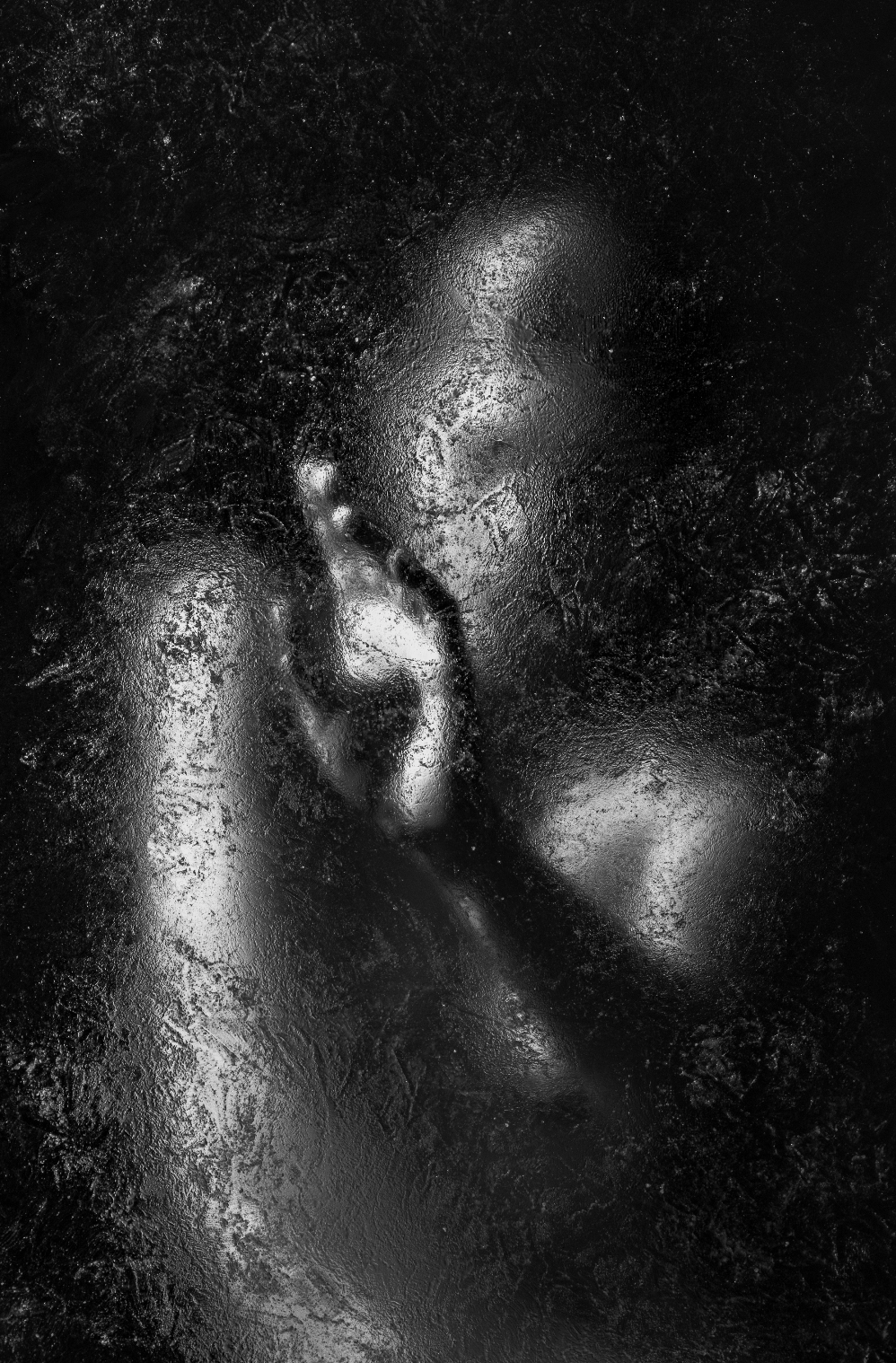
I’ve been working with oil and honey for several shoots now. I’ve also tried shooting through plastic wrap, which has a really nice texture. Though I really like the texture of the oil shots, I want to figure out how to show a bit more of the subject without making it too literal. I also want to try out implementing color into these.
Santa Fe Workshops Presents Chroma: Lighting with Color
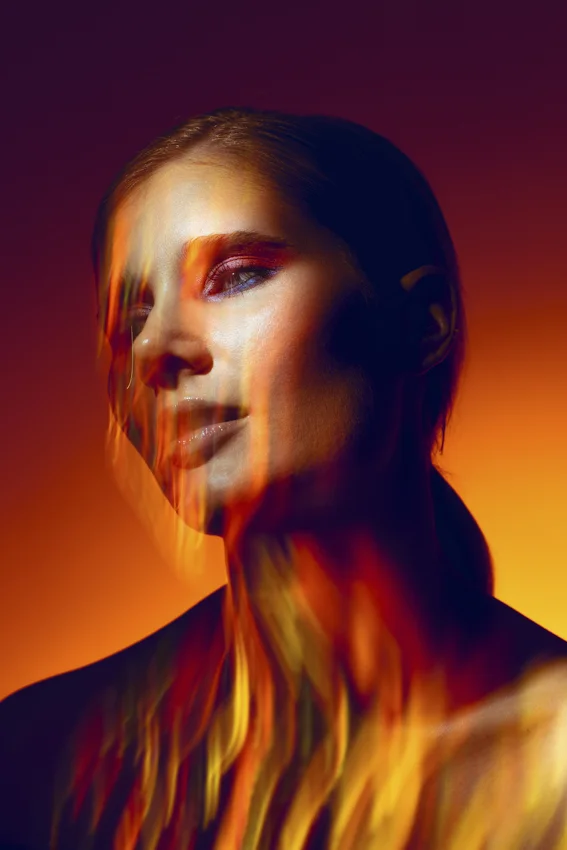
If you’re unfamiliar with the Santa Fe Workshops, it’s one of, if not the, longest running photography workshops in the US. They started in 1990 and have had some of the most renowned photographers in the industry teach there, including Albert Watson, Joyce Tenneson, and Frank Ockenfels 3. The format of the courses is especially unique, given that it’s a 5-day course where the students and the instructor are together learning and shooting, from sunup till sundown.
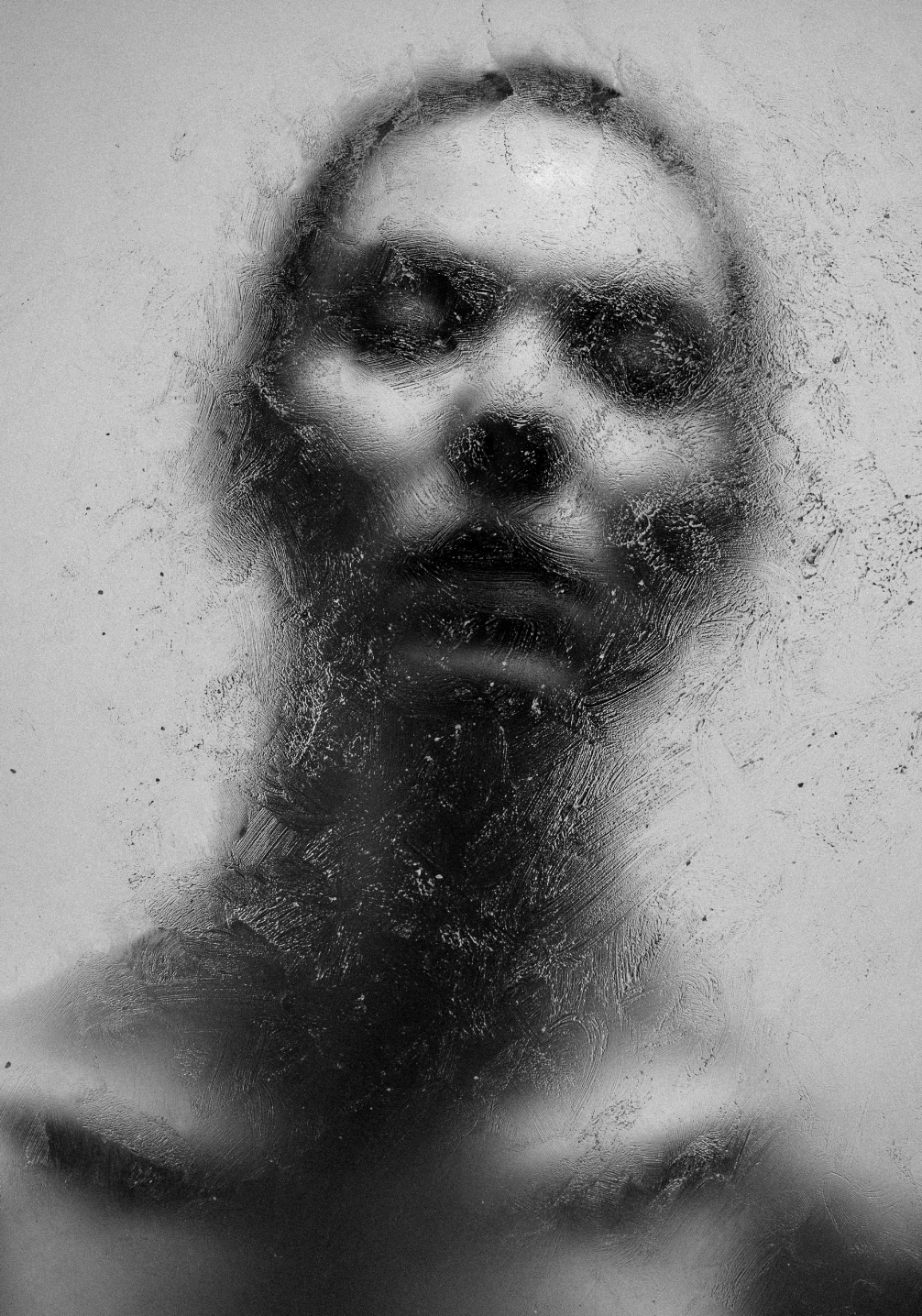
Strata II
For the past couple of years I’ve begun drifting away from the literal and heading for the lyrical. I am finding myself easily bored with well-lit (and even colorful) images. I find myself longing for the qualities a painters brush stroke brings to a portrait. I have experimented a great deal with using multiple exposures or projectors to add layers of texture and distortion to my images. Though I made images I was happy with, they didn’t feel like they were close enough to where I was wanting them to go.
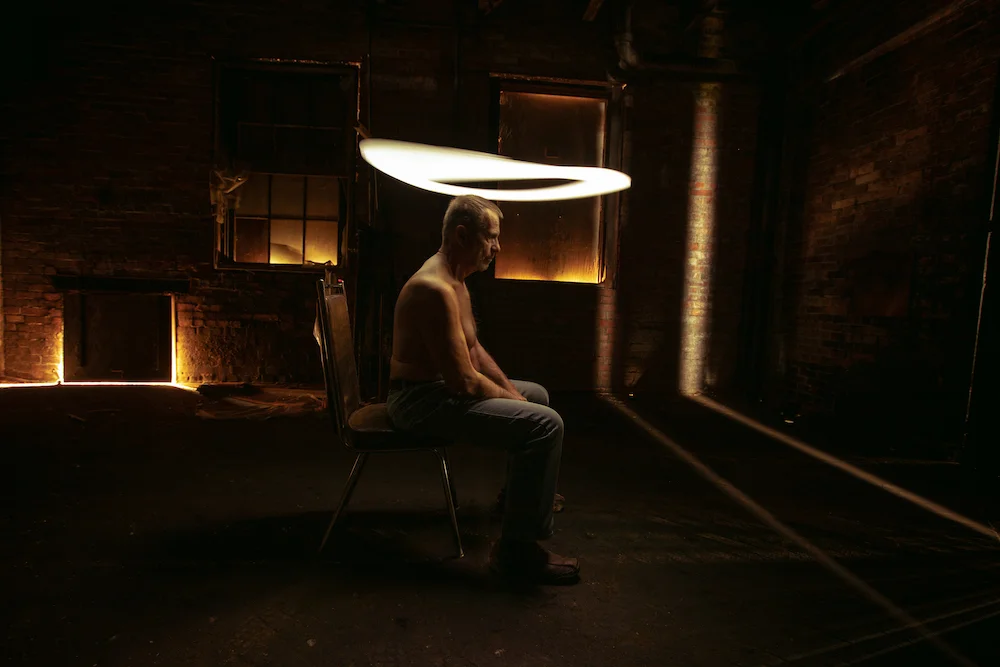
The Old Man and the Screen
I recently read the short story, “The Machine Stops”, written in 1909 by E.M. Forster. In the story he lays out a dystopian prophecy wherein humans live under the earth’s surface (the surface is no longer inhabitable) in pods barely larger than themselves. They get everything they need through the machine, including sustenance, entertainment, and communication with other people around the world. Remind you of anything?
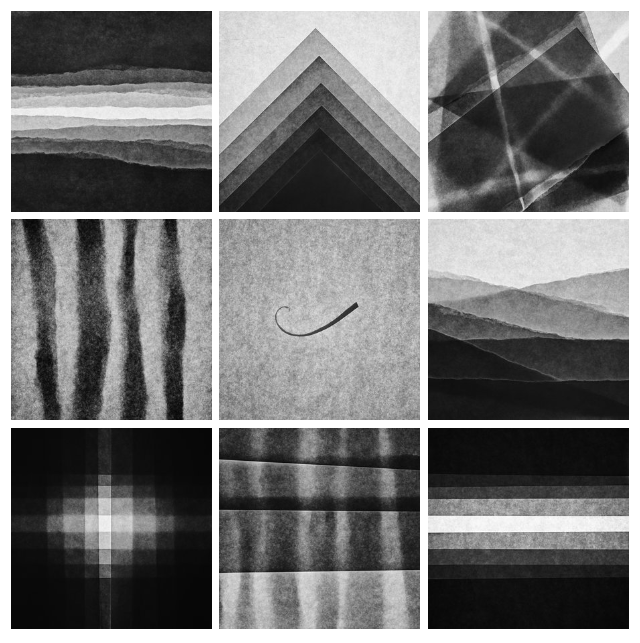
And Then Nothing Turned Itself Inside-Out
I was recently enrolled in Sara Lando’s online photography course, The Support Group for Lazy Photographers. Though she has been teaching the course for many years, this was the first time that she offered it in English. I immediately signed up, excited at the thought of what she would compel me to create.
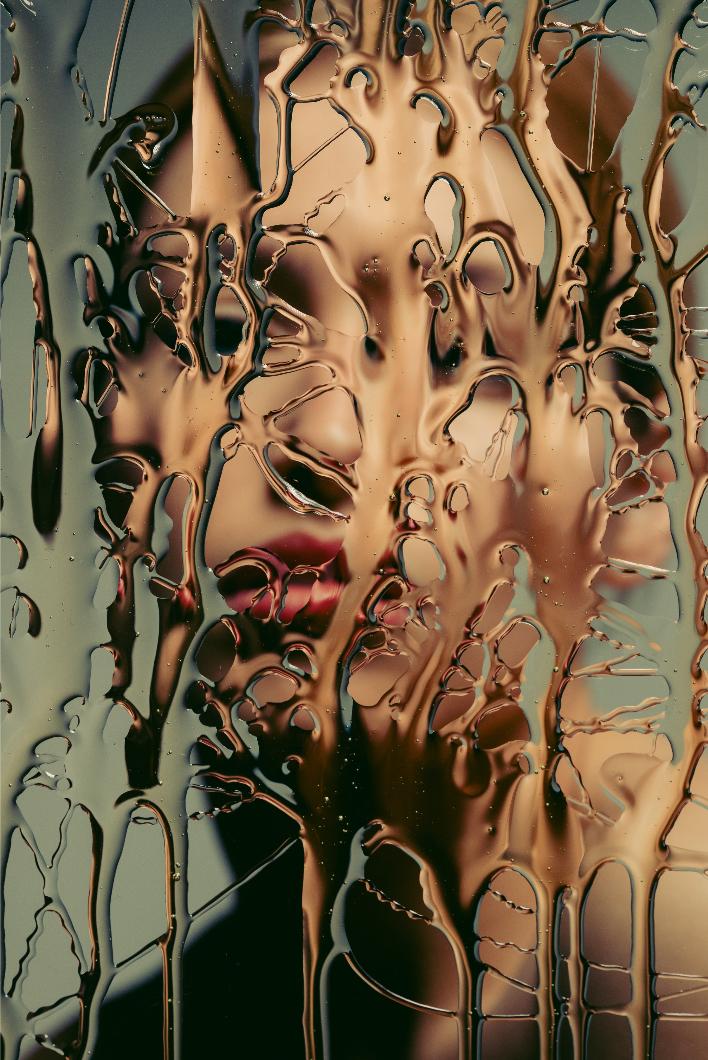
Strata I
This past month I have begun working on a new series, the working title being Strata. I am dealing with obscuring my subject by shooting through a range of different materials. Though I am still early on in the exploration and not sure how exactly it will evolve, my goal is to capture the nature of humans at a spirit level, rather than make portraits of a specific person.
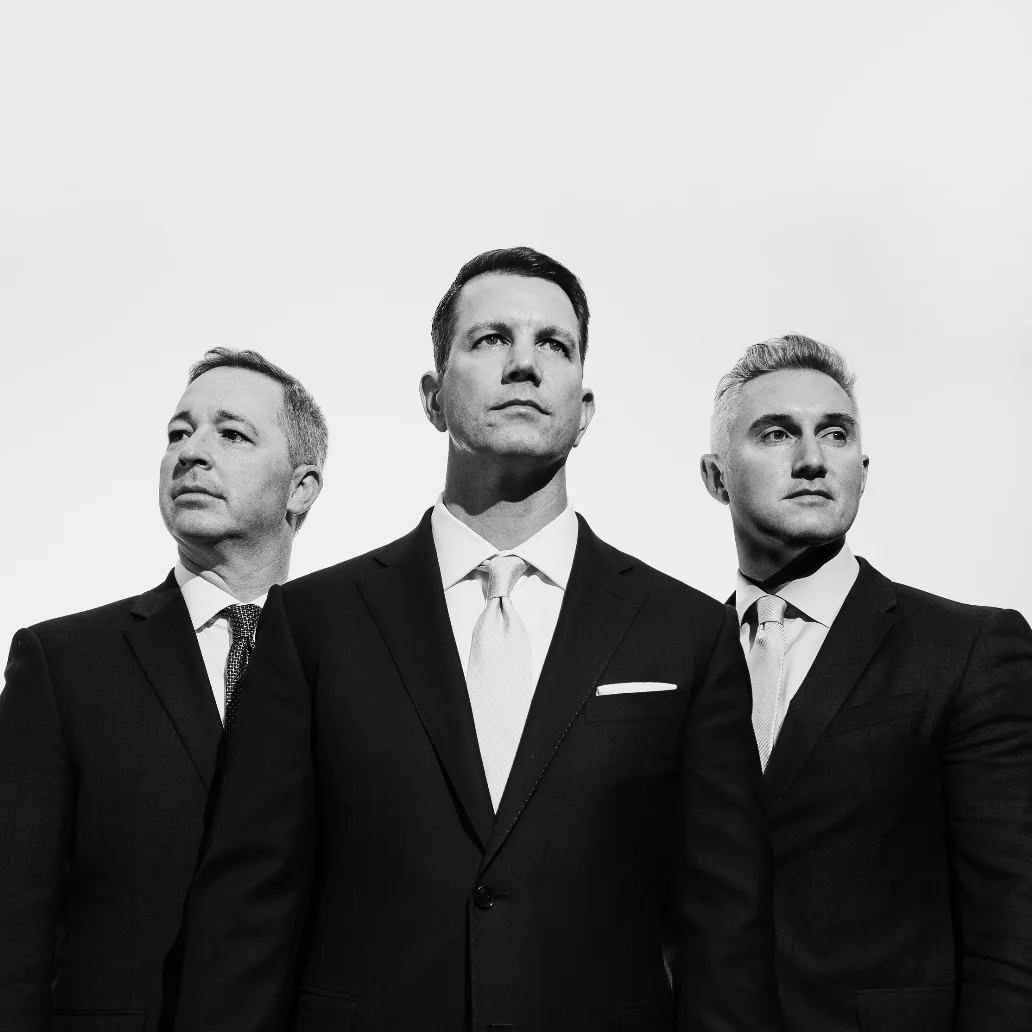
Merrill Lynch Atlanta for Barron's / Wall Street Journal
I can think of no better element in a photo shoot than creative freedom and trust. I had precisely that in my shoot for Barron’s last week in Atlanta. Annie Chia, the photo director, sent me a handful of photos of music groups such as Nirvana, The Rolling Stones, and the Velvet Underground as direction for my session with the three investments consultants. The shoot was already off to a great start.
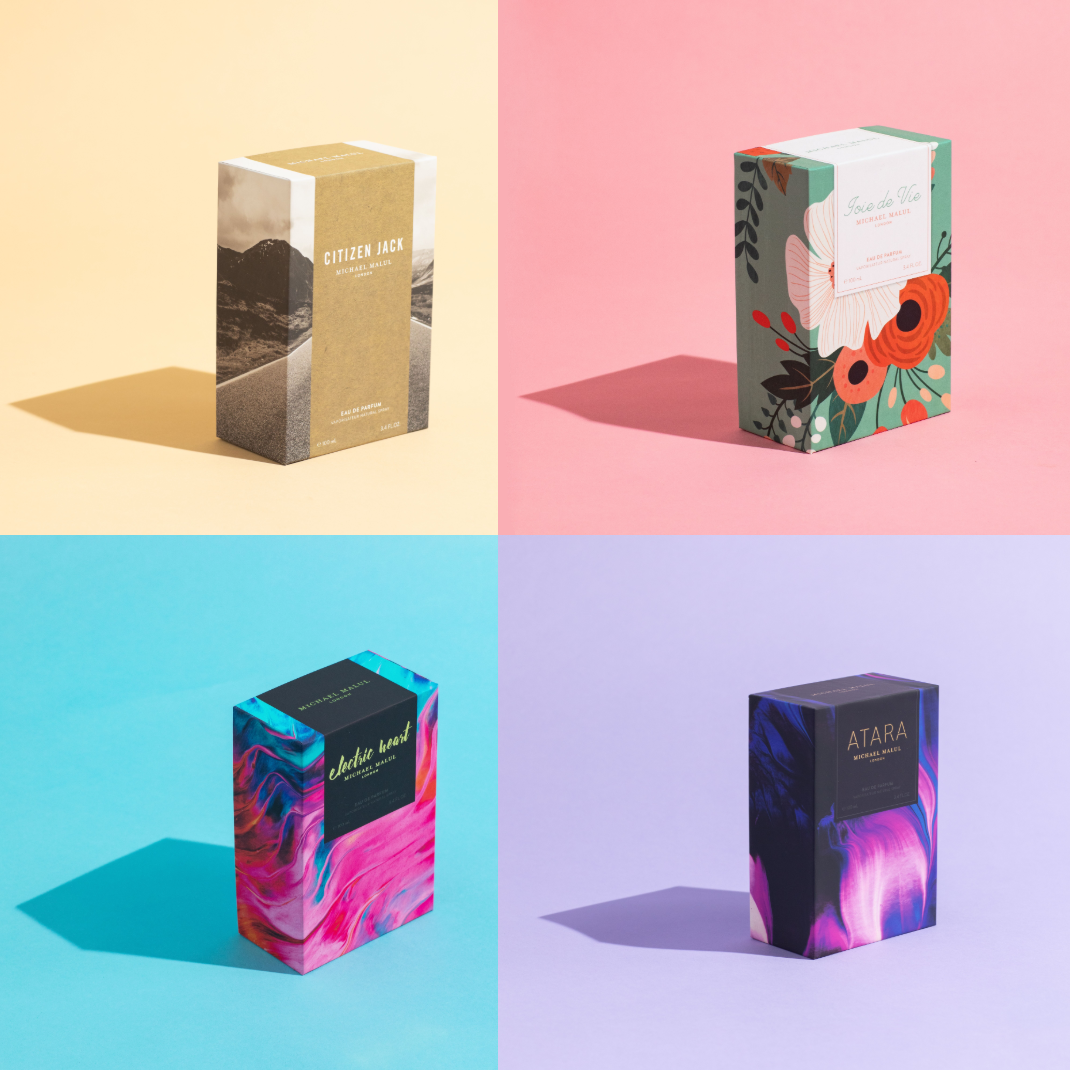
Product Photography: Michael Malul London
I recently shot product and editorial images for Michael Malul London, an emerging fragrance brand. Aside from shooting the standard “soft light on white” ecom shots, I shot a range of of stylistic shots using different colored backdrops and hard light.

Light and Dark
Photography is light. The term comes from the Greek words for “light" and “drawing". But I’d argue that equally important to light is its opposite, dark. Without darkness, there would be no concept of light— nothing to which you could set light apart. Personally I am someone who spends a lot of time focusing on the darkness. Though some might call that unhealthy, in my opinion it makes it that much beautiful when I happen to encounter light.
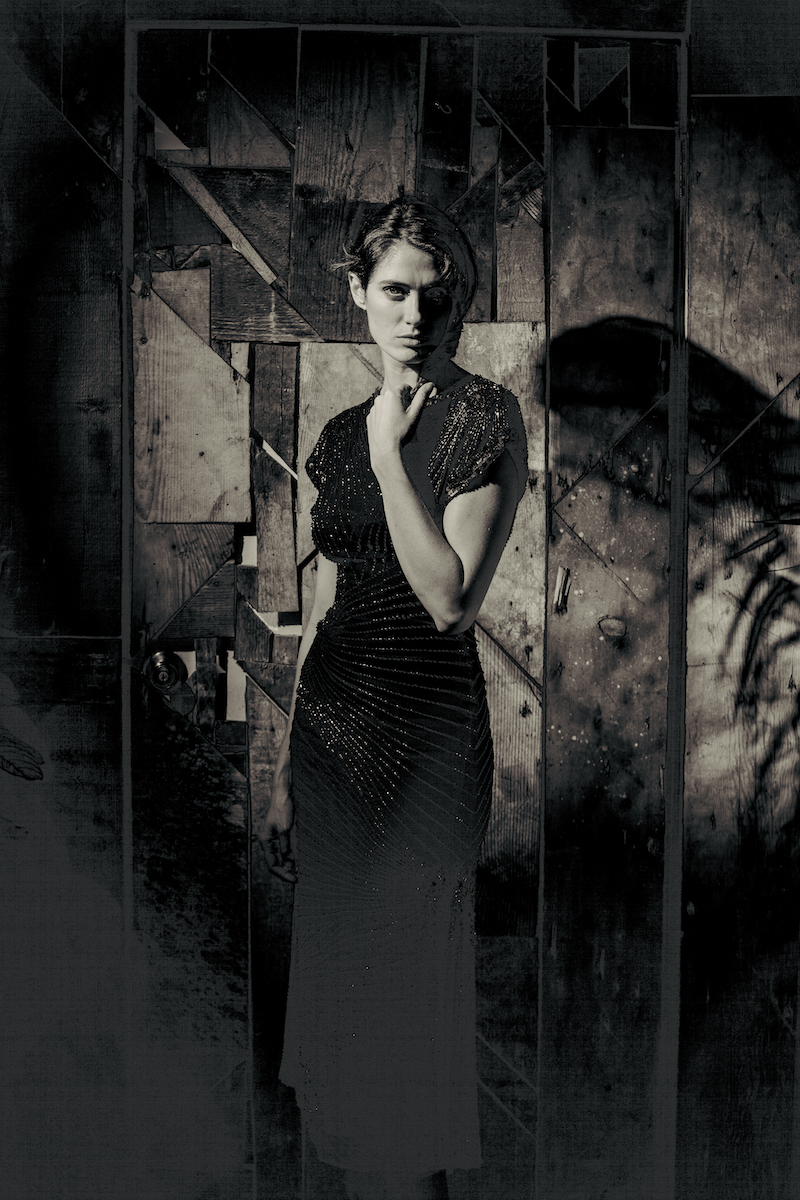
Re-Visiting Older Work
I shot the above portrait of model/photographer Helena Martin in 2014. At the time, I was so proud of the mood that I had created with my lighting and post processing that I included the scenario in my book, Studio Anywhere. When I look at that shoot today however, all I see are information-less shadow areas and matte blacks, and I cringe.
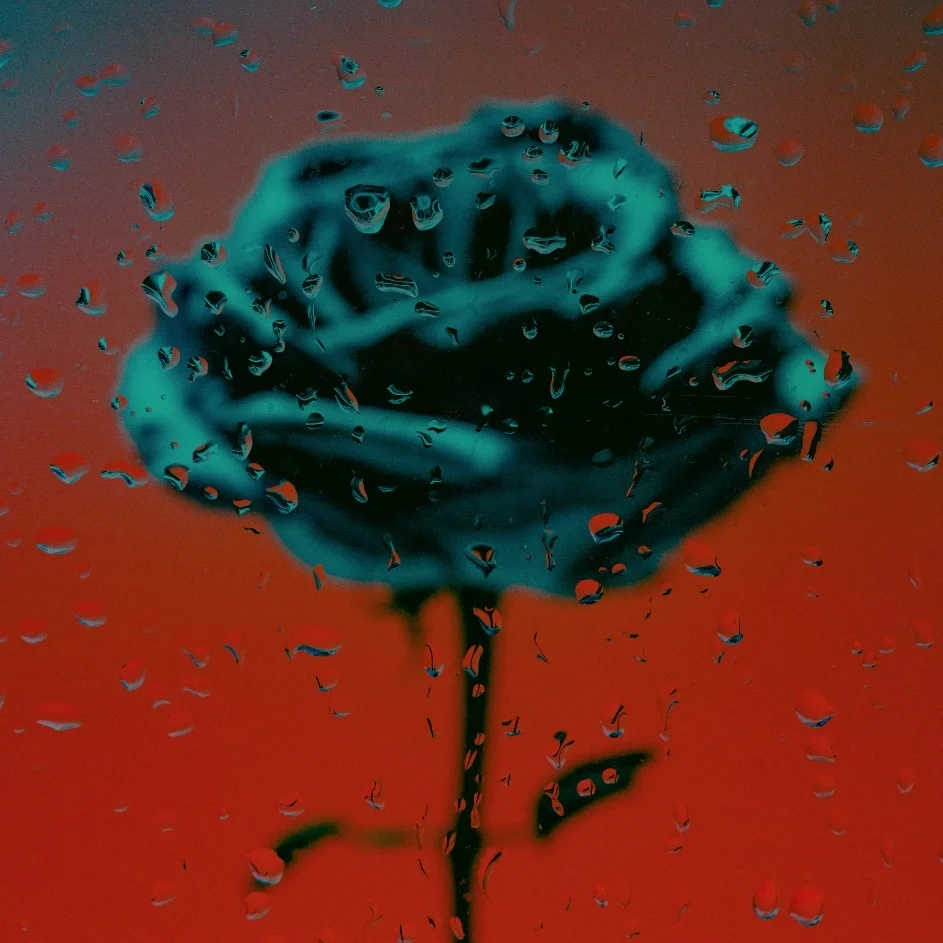
On Self-Assignments and Getting Discovered
I have photographers regularly email me, asking for advice on how to make a living doing photography. Aside from the obvious things like assist other photographers or work on building your network, I always say if there isn’t work coming in, make work for yourself. I’m talking about self-assignments.
The Numerical Values of Color (Goethe's Theory)
As a portrait photographer, the thought of creating a balanced composition with your subject, pose, and background is no easy task. Once you factor in the added layer of color, achieving balance in an image is even more tricky. If only there were some kind of system that could be used to determine how much color to use in a composition to each balance…
Latest Posts
- January 2019 1
- February 2019 5
- March 2019 5
- April 2019 4
- May 2019 8
- June 2019 8
- July 2019 8
- August 2019 6
- September 2019 8
- October 2019 7
- November 2019 6
- December 2019 8
- January 2020 5
- February 2020 6
- March 2020 7
- April 2020 8
- May 2020 5
- June 2020 4
- July 2020 5
- August 2020 7
- September 2020 8
- October 2020 8
- November 2020 6
- December 2020 6
- January 2021 6
- February 2021 7
- March 2021 6
- April 2021 5
- May 2021 6
- June 2021 6
- July 2021 6
- August 2021 3
- September 2021 5
- October 2021 4
- December 2021 3
- January 2022 2
- March 2022 2
- April 2022 3
- May 2022 4
- June 2022 1
- July 2022 2
- August 2022 4
- September 2022 6
- October 2022 1
- January 2023 2
- February 2023 1
- March 2023 4
- April 2023 1
- June 2023 2
- July 2023 1
- August 2023 2
- September 2023 4
- October 2023 5
- November 2023 3
- December 2023 1
- January 2024 3
- February 2024 2
- March 2024 8
- April 2024 5
- May 2024 2
- June 2024 2
- July 2024 2
- November 2024 2
- December 2024 1
- February 2025 1
- April 2025 1
- June 2025 1
- July 2025 1